Get access to a curated list of the latest blog posts covering a wide range of topics from the telecom industry.

Archives: Social Articles

In today’s rapidly evolving digital landscape, the emergence of 5G, the API economy, and the proliferation of digital services are reshaping the way businesses operate and collaborate. For Communication Service Providers (CSPs) and other enterprises, strategic partnerships have become more crucial than ever, driving growth, innovation, and market expansion in a hyper-connected world. Effective Partner Lifecycle Management (PLM) is no longer just about managing the mechanics of these relationships; it’s about maximizing their potential to unlock new revenue streams and deliver differentiated services.

With the advent of 5G and the rise of the API economy, businesses are now able to collaborate more seamlessly, integrate more deeply, and innovate more rapidly. However, to fully harness these opportunities, companies need to streamline their PLM processes—right from onboarding and integration to performance monitoring, compliance, and renewal. By optimizing these stages, organizations can transform their partnerships into powerful assets that drive competitive advantage.

This guide explores the critical stages of Partner Lifecycle Management, best practices for streamlining these processes, and how leveraging advanced solutions like Subex’s Partner Ecosystem Management platform can significantly enhance efficiency, agility, and value creation in today’s digital era.

The Critical Stages of Partner Lifecycle Management

Partner Lifecycle Management encompasses several key stages, each of which presents its own set of challenges and opportunities. Let’s break down each stage to understand why streamlining is essential.

The onboarding process is the first critical touchpoint between your organization and a new partner. In telecom, this involves more than just basic introductions; it includes setting up processes for product listing, bundling, digital payments, and integrating with existing systems. A next-generation PLM system should provide a streamlined process for onboarding, activation, and engagement, ensuring quick and seamless integration.

Automating repetitive tasks such as documentation, compliance checks, and system integrations can significantly reduce onboarding time, allowing partners to start contributing to business objectives more quickly. A user-friendly interface that simplifies navigation and quick onboarding further enhances the partner experience, reducing the risk of errors or misunderstandings.

  • Partner Training and Enablement

Once a partner is onboarded, the next step is to ensure they are fully equipped to deliver on their commitments. This often involves training, providing access to resources, and ongoing support. In telecom, where partners may handle complex products and services like 5G or IoT solutions, a centralized portal that offers easy access to training materials, product information, and automated training modules is crucial.

By providing a partner-specific program with a focus on mutual growth and transparency, businesses can ensure that partners have all the tools and knowledge needed to succeed. This not only improves partner engagement but also optimizes resource utilization.

  • Performance Monitoring and Management

Monitoring and managing partner performance is crucial for ensuring that partnerships are delivering the expected outcomes and contributing to overall business strategy. In telecom, a comprehensive performance score that assesses partners based on history, offerings, ease of business, Service Level Agreements (SLAs), and other metrics is essential.

Leveraging advanced analytics and real-time data can provide deeper insights into partner performance. Automated dashboards can offer a unified view of key performance indicators (KPIs), helping identify trends, spot issues early, and make data-driven decisions. This enhances the efficiency of performance management and ensures alignment with strategic objectives.

  • Collaboration and Communication

Effective communication and collaboration are the lifeblood of any successful partnership. As the number of partners grows, maintaining clear and consistent communication becomes increasingly challenging. In telecom, this includes sharing information about product catalogs, new offers, and service updates.

Streamlining collaboration involves using tools that facilitate real-time communication, document sharing, and project management. A universal document repository that integrates all partner-related data helps manage information over longer periods without the need for frequent archiving. Regular check-ins and updates ensure alignment and quickly address any issues that arise.

  • Compliance and Risk Management

Ensuring compliance with relevant laws and regulations is critical, especially in highly regulated industries like telecom. Managing compliance across a diverse partner ecosystem can be complex and time-consuming.

Streamlining compliance and risk management involves automating the tracking and reporting of compliance-related activities, such as automated reminders for compliance checks and real-time monitoring of regulatory changes. By integrating contract lifecycle management—covering contract review, negotiation, approval, execution, SLA tracking, and renewal—businesses can reduce the risk of non-compliance and safeguard against potential liabilities.

  • Orchestration and Billing Integration

Telecom businesses often manage complex processes such as order processing, fulfilment, account management, and billing. Automating these key partner-related tasks through orchestration helps optimize processes for greater efficiency. Integrating billing and financial systems for seamless invoicing and settlement further enhances operational efficiency and reduces the chances of discrepancies.

  • Renewal and Offboarding

As partnerships evolve, there may come a time when renewal or termination becomes necessary. Whether renewing a successful partnership or offboarding one that no longer aligns with business goals, these processes need to be handled efficiently to minimize disruptions.

A streamlined renewal process includes automating the evaluation of partnership performance and contract terms to ensure data-driven decision-making. For offboarding, having a standardized process ensures a smooth transition, minimizes operational disruption, and retains essential partner data through a universal document repository.

Best Practices for Streamlining Partner Lifecycle Management

To fully realize the benefits of a streamlined Partner Lifecycle Management process (PLM), businesses should adopt several best practices:

1. Adopting a Unified PLM Platform

Implementing a single, integrated PLM platform can centralize all partnership-related activities, providing a 360° view of the entire lifecycle. This not only improves efficiency but also ensures consistency across all processes.

2. Automation of Routine Tasks

Automation is a key enabler of efficiency in PLM. It can significantly reduce the manual effort involved in managing partnerships. By automating tasks such as partner onboarding, contract management, and performance monitoring, companies can free up valuable resources and reduce the risk of human error.

3. Enhancing Data Visibility

A good PLM system should offer real-time insights into partnership performance. This includes tracking KPIs, monitoring compliance, and analyzing financial transactions. Enhanced data visibility enables better decision-making and helps in identifying potential issues before they escalate.

4. Foster Collaboration through Self-Service Capabilities

Providing partners with self-service capabilities can improve collaboration and reduce the operational burden on the company. Self-service portals can allow partners to access critical information, manage their profiles, and resolve issues without needing constant support.

5. Continuous Improvement

Streamlining PLM is not a one-time effort but a continuous process of improvement. Regularly reviewing and refining your PLM processes ensures that they remain aligned with your business goals and can adapt to changing market conditions. This can involve gathering feedback from partners, analyzing performance data, and staying informed about industry best practices.

Why Streamlining PLM is Essential for Business Success
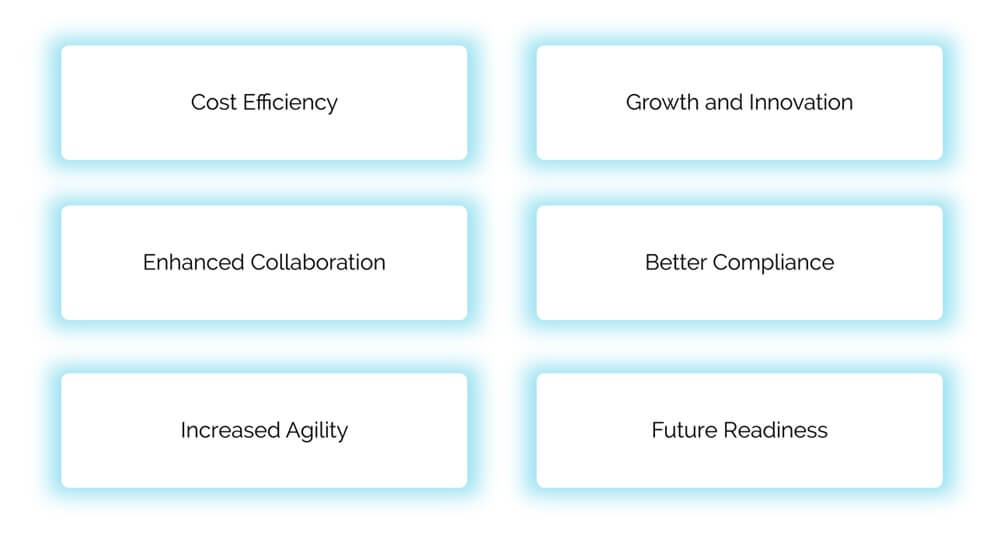
The ability to efficiently manage partnerships is a key competitive advantage in the current business environment. Streamlined Partner Lifecycle Management not only reduces operational costs but also enhances the overall effectiveness of your partner ecosystem. By ensuring that each stage of the partner lifecycle is optimized, businesses can unlock new growth opportunities, strengthen relationships, and drive innovation.

Moreover, as businesses increasingly rely on partnerships to expand their market reach and deliver complex solutions, the importance of effective PLM will only continue to grow. Organizations that invest in streamlining their PLM processes today will be better positioned to navigate the challenges of tomorrow’s business landscape.

The Role of Technology in Modern PLM

Technology plays a transformative role in enhancing Partner Lifecycle Management (PLM) processes. Modern PLM solutions, particularly in the telecom sector, are increasingly leveraging cloud-based and API-driven technologies to streamline operations, foster innovation, and drive profitability. Next-generation PLM systems offer a suite of advanced features designed to help telecom operators manage their partner ecosystems more efficiently and effectively.

1. Cloud-Based and API-Driven Solutions

Next-gen PLM solutions are built on cloud-based and API-driven architectures, providing telecom companies with the agility needed to adapt to changing market demands. These solutions help telcos:

  • Identify and onboard the right partners quickly and efficiently.
  • Rapidly go to market with new products, services, and offers.
  • Create value by identifying best-fit business partners and monitoring their performance.
  • Track Service Level Agreements (SLAs) and achieve data-driven partner management at speed.
  • Make informed decisions on partner fitment through instant insights.

2. Cutting-Edge Technology Capabilities

To elevate partner management into a holistic engagement platform that drives profitability, next-gen PLM systems must incorporate several key technology capabilities:

  • Workflow-Based Solution for Partner Onboarding: Automates and streamlines the onboarding process, ensuring a smooth start for new partners.
  • Scores Partner Performance Based on Business-Defined KPIs: Provides a comprehensive assessment of partner performance, enabling better decision-making.
  • Role-Based Dashboard for Analysis and Trend Detection: Offers a customized view for different users, enhancing the ability to monitor trends and analyze performance.
  • End-to-End Cohesive Platform: Combines data management, business modeling, case management, and more into a single, unified platform.
  • Data Fabric-Driven Architecture: Facilitates data sharing across external and internal stakeholders via APIs, ensuring a seamless flow of information.
  • Cost-Effective and Quick-to-Deploy Microservices Architecture: Simplifies maintenance and support while allowing for rapid deployment of new capabilities.
  • GDPR-Compliant Solution with Robust Data Security and Privacy Support: Ensures compliance with data protection regulations and safeguards sensitive information.

3. Leveraging AI/ML Technologies

Modern Partner Lifecycle Management (PLM) platforms are increasingly leveraging Artificial Intelligence (AI) and Machine Learning (ML) to enhance their capabilities and streamline processes. These advanced technologies enable PLM platforms to:

  • AI-Powered Insights: Analyze large volumes of data to provide actionable insights into partnership performance, helping identify trends and predict future outcomes. This enables more informed decision-making and proactive management of partnerships.
  • Machine Learning for Predictive Analytics: Predict potential risks and opportunities in partnerships by analyzing historical data, allowing companies to take proactive measures. ML algorithms can identify patterns and anticipate challenges, helping businesses stay ahead of potential issues.
  • Automated Contract Management: AI and ML assist legal teams within telecom companies in reviewing, negotiating, and executing complex contracts, reducing the time and effort required for contract management. This automation ensures consistency, reduces errors, and accelerates the contracting process.

By integrating AI and ML technologies, next-generation PLM solutions empower telecom companies to optimize their partner lifecycle management processes, reduce costs, and improve operational efficiency. As the telecom industry continues to evolve with the rise of 5G and digital transformation, having a robust, AI-driven PLM system will be crucial for maintaining a competitive edge and achieving sustained growth.

Case Study: The Impact of Effective PLM on Business Outcomes

To illustrate the impact of effective PLM, let’s consider a case study of a telecom company that implemented a new PLM system to streamline its partner management processes.

Company Background: The company, a major telecom operator, was struggling with managing its growing number of partnerships, especially with the advent of 5G and IoT. The manual processes were not only time-consuming but also prone to errors, leading to delays in service launches and revenue losses.

Solution: The company decided to implement a unified PLM platform that automated the entire lifecycle of partner management. The platform offered features like automated onboarding, real-time performance tracking, and advanced analytics.

Outcome:

  • 50% Reduction in Onboarding Time: Post-implementation of the new PLM system, the company experienced a substantial decrease in the time required to onboard new partners, reducing it by half.
  • 10% Increase in Revenue: The enhanced accuracy of financial settlements, facilitated by the new platform, led to a 10% increase in overall revenue.
  • Improved Operational Efficiency: The platform’s predictive analytics capabilities enabled the company to identify and mitigate potential risks proactively, significantly boosting operational efficiency.
Subex’s Partner Ecosystem Management: A Comprehensive Solution

When it comes to implementing an effective PLM system, Subex’s Partner Ecosystem Management (PEM) platform stands out as a comprehensive solution designed to address the challenges of modern partnership management.

Subex’s PEM platform offers a domain-agnostic solution that maximizes partnerships by streamlining the onboarding process through workflow-based interfaces, configurable KPIs, and partner health scoring. The platform’s self-care capabilities reduce operational overheads and provide on-the-go access to business-critical information.

To illustrate the potential new revenue streams and partnership opportunities that can be unlocked through effective Partner Lifecycle Management, have a look at the following framework.

Key Features of Subex’s PEM Platform:

    • Converged Partner Management: Subex’s platform provides a holistic approach to partner management, covering everything from onboarding to financial reporting. This includes managing complex agreements through a flexible and robust modeling capability, reducing vendor dependency.
    • Digital Services Billing: The platform streamlines billing for all types of digital services, including B2B content, IoT, and utility services. This enables companies to build profitable economic models and ensures trust in partnerships.
    • Enterprise and Wholesale Billing: Subex’s platform offers unmatched rating and billing capabilities, simplifying the management of roaming, routing, and content settlements. This comprehensive approach helps drive business efficiencies and improve margins.
    • Roaming Settlements: The platform offers a 360° view of roaming services, helping companies boost profitability and minimize fraud through features like NRTRDE and High Usage Report support.

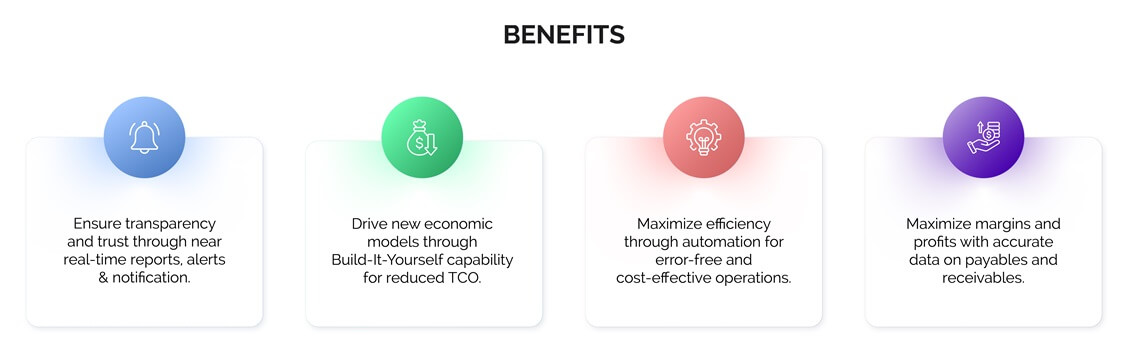
By leveraging Subex’s PEM platform, companies can not only streamline their partner lifecycle management but also drive new economic models, maximize efficiency, and ensure transparency in their operations.

Key Benefits:
Final Thoughts

Streamlining Partner Lifecycle Management is critical for companies looking to enhance efficiency and foster successful business partnerships. By adopting best practices and leveraging advanced PLM systems like Subex’s Partner Ecosystem Management platform, companies can overcome the challenges of modern partnerships and drive sustainable growth. As the business landscape continues to evolve, having a robust and scalable PLM system in place will be key to staying ahead of the competition and capitalizing on new opportunities.

Enhance Your Business Agility with Advanced PLM Solutions!
Book a Free Demo

The world has been enthralled with the remarkable potential and powers of generative artificial intelligence (Gen AI) in recent years. Large language models (LLMs), one of the foundational models, have proven to be remarkably adept in producing content in a variety of formats, including text, audio, graphics, and video, and at extracting insights. But the next phase of the development of Gen AI looks to be much more revolutionary.

From Knowledge-Based Tools to Action-Oriented Agents

The knowledge-based Gen AI tools we are accustomed to, like chatbots that provide material and respond to queries, are about to undergo a dramatic change, giving way to Gen AI-enabled “agents.” These agents perform intricate, multi-step workflows across digital contexts by using foundational concepts. Essentially, as technology advances, cognitive work are being replaced with actionable tasks.

Digital systems that are capable of autonomously interacting with and reacting to a dynamic environment are generally referred to as “agentic” systems. Although there have been basic iterations of these systems for years, new possibilities are opened up by the incorporation of Gen AI’s natural language processing powers. These days, these systems are able to coordinate with other agents and humans, plan their activities, use web resources to complete tasks, and learn from mistakes in order to keep getting better at what they do. Gen AI agents may soon behave as highly proficient virtual employees who communicate with people in a natural way. For example, a virtual assistant may handle the hassles of arranging and booking a customized, intricate travel schedule, coordinating with multiple travel agencies. Likewise, an engineer could describe a new software feature in everyday language to a programmer agent, which would then handle the coding, testing, iteration, and deployment of the tool it helped to create.

Creating agentic systems has always been difficult, requiring either extremely specialized machine-learning model training or tedious rule-based programming. But this terrain has been drastically altered by Gen AI. Agentic systems can adapt to different scenarios, much like LLMs can intelligently respond to prompts for which they haven’t been explicitly trained, when they are built using foundational models—trained on large and varied unstructured datasets—instead of relying on predefined rules. Furthermore, human users can instruct a Gen AI-enabled agent system to carry out intricate activities by utilizing natural language instead of computer code. A multi-agent system could then interpret and organize this workflow into actionable tasks, assign these tasks to specialized agents, execute them using a digital ecosystem of tools, and collaborate with other agents and humans to iteratively enhance the quality of its actions.

In this article, we explore the opportunities that using Gen AI bots offers. The technology is gaining a lot of attention even though it is still in its early stages and needs more technological advancement before it is ready for mass business adoption. Big tech firms like Microsoft, OpenAI, and Google have made significant investments in software libraries and frameworks that enable agentic capabilities in the last 12 months. Applications with an LLM foundation, including Microsoft Copilot, Amazon Q, and Google’s planned Project Astra, are moving from a knowledge-based to an action-oriented model. Additionally, organizations and research facilities are leading the way in the creation of multi-agent systems and agent-based models.

The Power of Agentic Systems

Agentic systems, capable of independent interaction within dynamic environments, have been in development for years. However, the integration of Gen AI has catapulted these systems to new heights.

Key advantages of Gen AI-powered agents include:

Handling Complexity and Variability

Traditional automation often struggles with the intricate and dynamic nature of many business processes. While linear workflows with clear endpoints can be efficiently managed through rule-based systems, real-world scenarios rarely adhere to such rigid structures. Unforeseen circumstances and multiple potential outcomes frequently disrupt these systems, necessitating human intervention.
Gen AI agents, underpinned by foundation models, excel in handling these complexities. They can navigate a vast array of possibilities within a given use case, adapting in real-time to unforeseen challenges. This flexibility is crucial for processes that demand nuanced judgment and adaptability.

Democratizing Automation Through Natural Language

Automation has historically been the domain of technical experts, requiring the translation of complex processes into code. This barrier significantly limits the potential of automation. Gen AI agents, however, introduce a paradigm shift by enabling users to interact through natural language.
By describing tasks in plain language, even non-technical staff can participate in the automation process. This democratization of automation fosters collaboration between technical and non-technical teams, accelerating innovation and ensuring that automation aligns closely with business objectives.

Expanding Capabilities Through Tool Integration

Gen AI agents are not confined to isolated operations. They can seamlessly integrate with a wide range of digital tools and platforms, expanding their capabilities and creating new possibilities. From data analysis and visualization tools to web search and human feedback mechanisms, agents can leverage the power of the digital ecosystem.
This ability to interact with external systems is a cornerstone of agentic behavior. Foundation models play a crucial role in enabling agents to learn how to interface with different tools and platforms effectively. Without this capability, integrating and coordinating various systems would be a time-consuming and error-prone manual process.

How Gen AI Agents Work

Gen AI agents operate through a cyclical process:

1. User Input: Users provide a clear and concise task or goal.

2. Task Decomposition: The agent breaks down the task into smaller, manageable subtasks.

3. Task Allocation: Subtasks are assigned to specialized agents or components.

4. Execution and Iteration: Agents collaborate to execute tasks, gathering information and refining outputs based on feedback.

5. Action: The agent takes necessary actions in the real world, if applicable.

Transformative Use Cases for Gen AI Agents

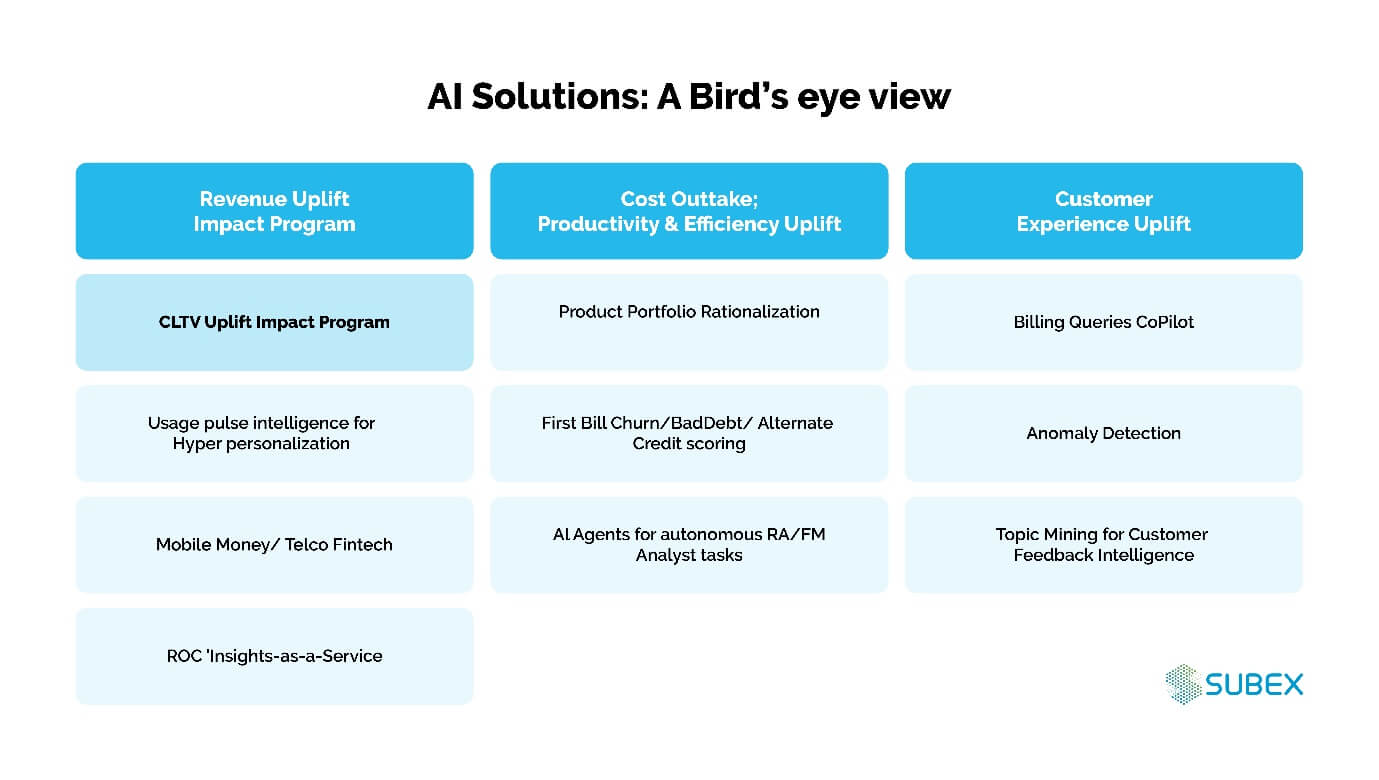
1. Revenue Uplift Impact Program

  • CLTV Uplift Impact Program: Leveraging Gen AI agents, businesses can enhance Customer Lifetime Value (CLTV) by employing advanced data analytics and predictive modeling. These agents can analyze customer behavior patterns in real-time, enabling hyper-personalization of offers and services. This program includes:

a. Usage Pulse Intelligence for Hyper-Personalization: AI agents monitor and analyze customer usage patterns, allowing telcos to offer personalized plans and services that align with individual customer needs, thus driving increased usage and loyalty.

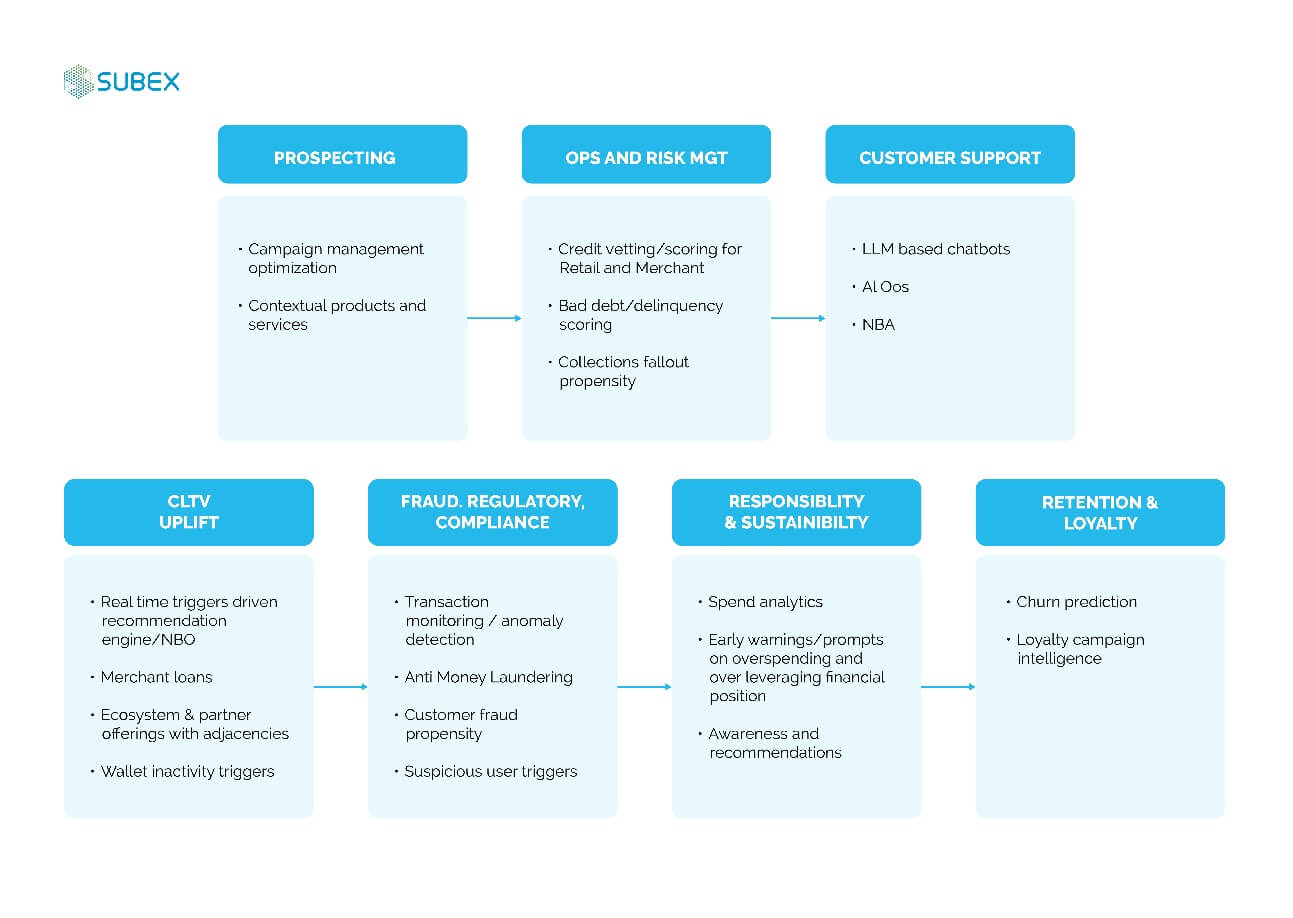
b. Mobile Money/ Telco Fintech: Gen AI agents are transforming the mobile money and telco fintech sectors by optimizing financial transactions, enhancing customer engagement, and improving risk management. These agents detect fraudulent activities, recommend financial products, and streamline payment processes, leading to significant revenue growth. Additionally, they power real-time recommendation engines and Next-Best-Offer (NBO) strategies, facilitate credit vetting and scoring for retail and merchant clients, and predict bad debt and collection risks.

Beyond financial optimization, Gen AI agents also enhance customer support through AI-powered chatbots and improve campaign management by offering contextual products and services. They contribute to regulatory compliance by monitoring transactions for anomalies and supporting anti-money laundering efforts. With capabilities that extend to customer churn prediction and loyalty campaign intelligence, these agents ensure a secure, efficient, and personalized experience across the mobile money and telco fintech landscape.

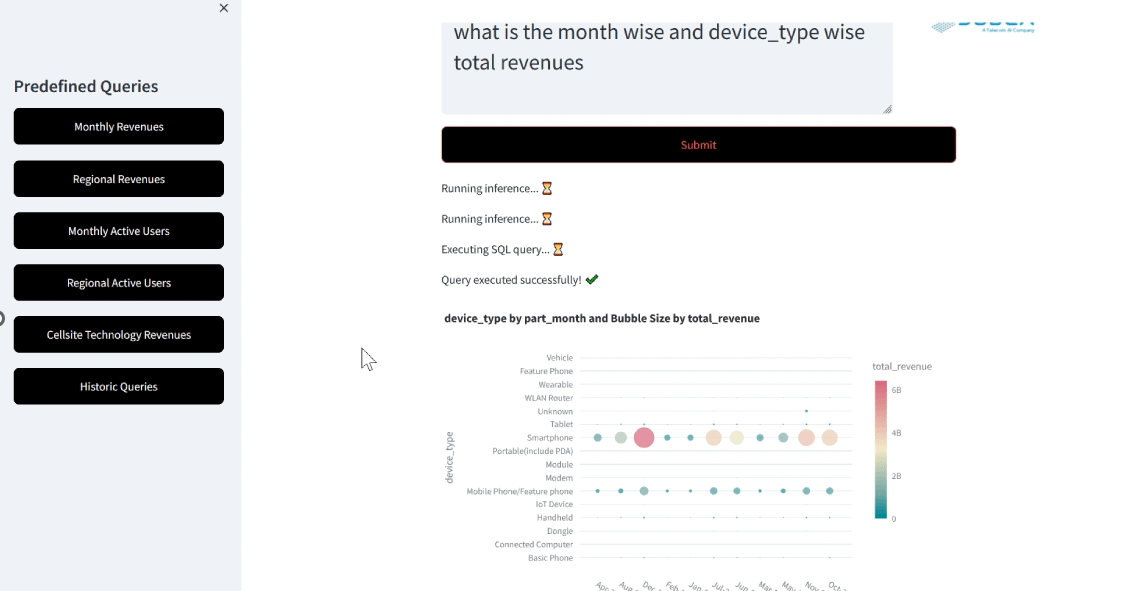
c. Revenue Operations ‘Insights-as-a-Service’: Gen AI agents can provide real-time insights into market trends and customer behavior. By integrating with business intelligence platforms, these agents deliver actionable insights, helping organizations make data-driven decisions that boost revenue.

Below is an example of how the Subex ROC platform can be used to gain advanced insights and intelligence with the power of GenAI.

Generative AI and the Future 03

2. Cost Outtake; Productivity & Efficiency Uplift

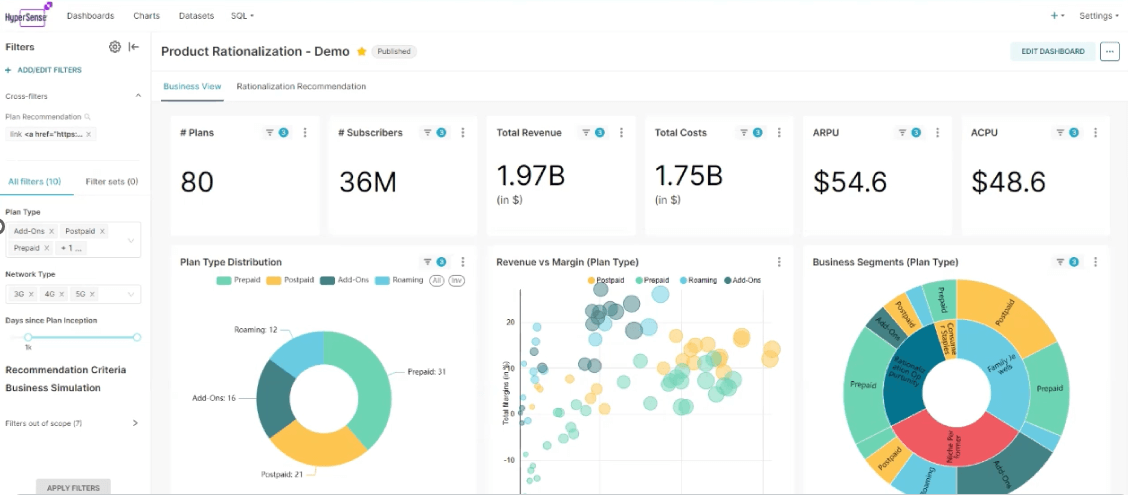
a. Product Portfolio Rationalization: AI agents can analyze product performance and customer demand to identify underperforming products, streamline portfolios, and eliminate redundant offerings. Optimize your product offerings with Subex’s AI-driven similarity mapping and recommendation engines that identify underperforming products and suggest strategic adjustments. By leveraging these advanced tools, businesses can streamline their portfolios, focusing on high-value products that align with customer demand. This approach not only reduces excess costs by at least 30% but also enhances revenue through targeted campaigns. Additionally, businesses can achieve a 0.35% to 0.5% revenue uplift by utilizing AI-powered upselling insights that identify and act on new opportunities for growth.

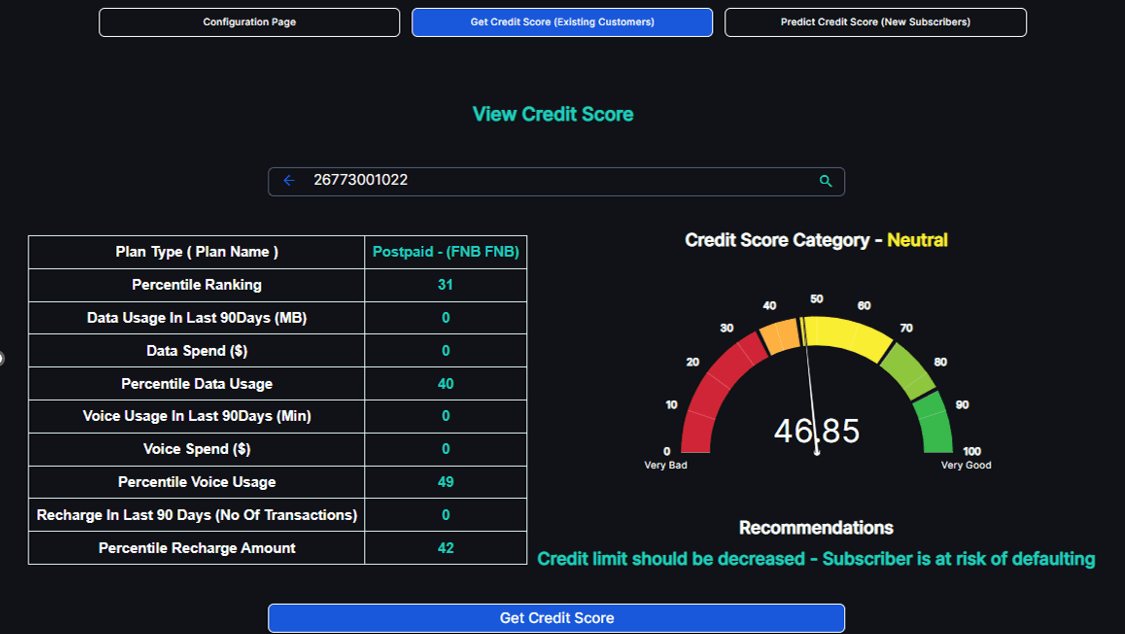
b. First Bill Churn/Bad Debt/Alternate Credit Scoring: By leveraging advanced machine learning algorithms, telcos can proactively identify subscribers likely to default on expensive handset bundles from the very first billing cycle, significantly reducing financial losses. This solution boasts over 95% accuracy in predicting potential bad debt customers, including those seeking new connections, with an estimated detection of 3.4 million KD in at-risk revenue. Additionally, by employing Alternate Credit Scoring, telcos can reduce retail customer bad debt by up to 30%, further protecting their bottom line.

Here’s an image showcasing AI-driven credit score analysis, utilizing advanced ML algorithms to predict subscriber default risk on expensive handset bundles.

c. AI Agents for Autonomous RA/FM Analyst Tasks: By leveraging autonomous agents equipped with ‘SME’-level domain knowledge, telcos can perform Revenue Assurance (RA) and Fraud Management (FM) tasks with minimal supervision. These AI agents significantly enhance productivity, boosting FM and RA analyst efficiency by over 50%. Moreover, they centralize domain knowledge, making it accessible to lesser-skilled analysts and ensuring consistent, high-quality outputs. This solution is also extensible to other people-intensive processes within the telco environment, driving broader operational efficiencies.

3. Customer Experience Uplift

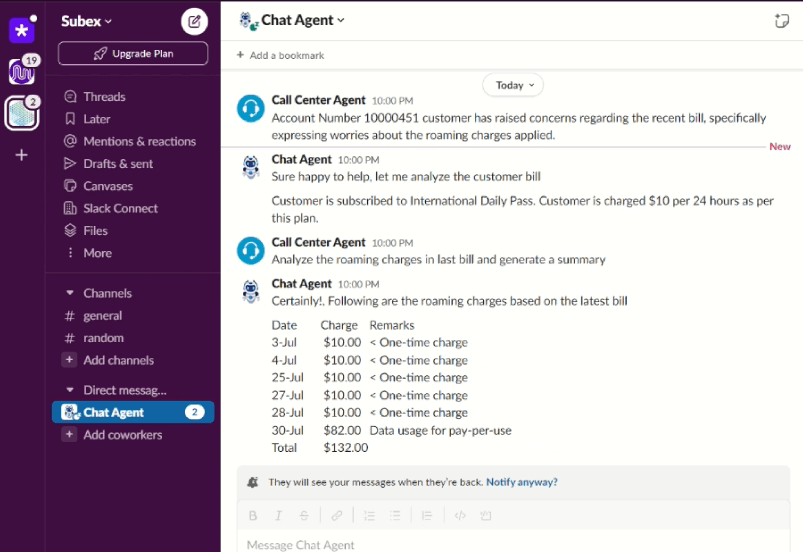
a. Billing Queries Co-Pilot: By utilizing a GenAI-powered Co-Pilot, telcos can assist Customer Care agents in efficiently addressing and resolving billing issues. Subex’s AI-driven support tool enhances call center agent productivity by over 50%, enabling quicker and more accurate resolutions. Additionally, it centralizes domain knowledge, making it accessible for broad-based use, even by less experienced agents, ensuring consistent and effective customer service. This leads to quicker resolutions and improved customer satisfaction.

Here’s an image of Subex’s AI-powered chat agent assisting customer support with billing inquiries.

b. Anomaly Detection: GenAI-powered agents can be used to detect anomalies across critical metrics such as Network, Traffic, Revenue, Payments, Subscriptions, Collections, and Commissions. These AI agents continuously monitor customer interactions and transactions, identifying irregularities that could indicate issues like billing errors, service disruptions, or potential fraud. Early detection allows for prompt resolution, ensuring smoother operations and enhancing overall customer experience.

c. Topic Mining for Customer Feedback Intelligence: By harnessing the power of GenAI, you can mine customer tickets, network tickets, and customer feedback posts to gain precise insights into the issues that need immediate attention. This AI-driven analysis supports various business applications, including:

  • Call Center Transcripts Analysis: Identifying recurring issues and optimizing responses.
  • Call Center Agent Performance Analysis: Evaluating and enhancing agent effectiveness.
  • Social Media Customer Feedback Analysis: Monitoring and responding to customer sentiment.
  • New Product Feature Recommendations: Uncovering opportunities for innovation based on customer needs.
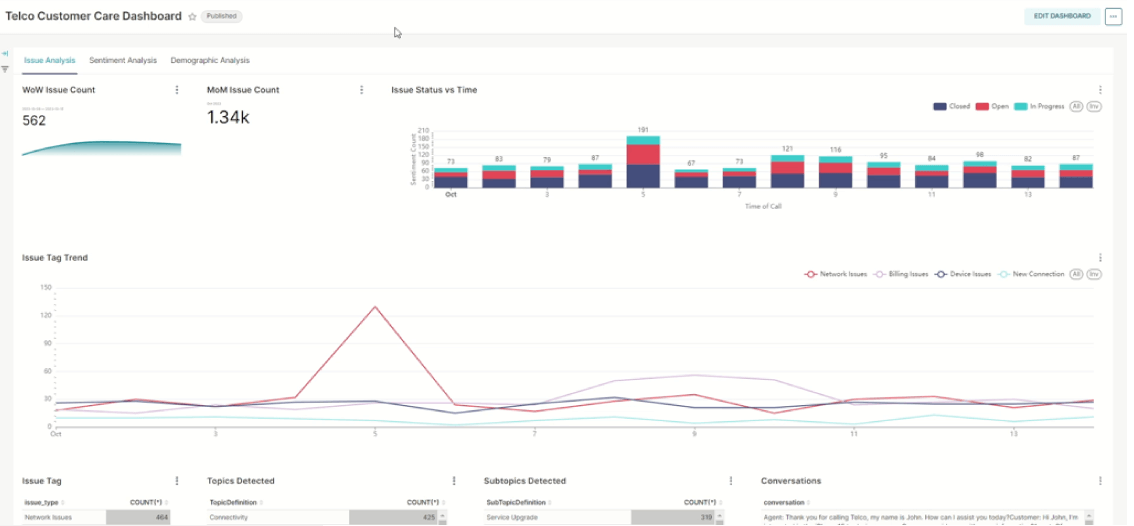
    By addressing root causes quickly, this approach can reduce up to 60% of calls to the Call Center related to the same problem, significantly improving customer satisfaction and operational efficiency.

Below is a pictorial representation of Call Center Feedback Analysis:

Preparing for the Age of AI-Driven Agents

As agentic technology rapidly evolves, business leaders must begin preparing for its potential impact. While still in its early stages, the increasing investment in agentic systems suggests that these technologies will soon achieve significant milestones and may be deployed at scale in the coming years. It’s crucial for leaders to familiarize themselves with these developments and assess whether key processes or strategic goals could be accelerated by adopting agentic capabilities. This proactive approach can inform future planning, ensuring that organizations remain at the forefront of innovation.

To effectively prepare for the integration of agentic systems, organizations should focus on three key factors:

1. Codification of Relevant Knowledge: Implementing complex agent-driven use cases will require businesses to clearly define and document their processes into structured workflows that agents can learn from. Capturing subject matter expertise and converting it into instructive natural language inputs will be essential in streamlining and automating intricate tasks.

2. Strategic Tech Planning: Businesses must organize their data and IT systems to ensure seamless integration with agentic technologies. This involves capturing user interactions for continuous feedback, ensuring agent systems can interface with existing infrastructure, and building the flexibility needed to incorporate future innovations without disrupting current operations.

3. Human-in-the-Loop Control Mechanisms: As AI agents begin to interact with real-world scenarios, it is vital to establish control mechanisms that balance autonomy with risk management. Human oversight will be necessary to validate the accuracy, compliance, and fairness of agents’ outputs. Moreover, collaboration with subject matter experts will help maintain and scale these systems, creating a learning loop that supports ongoing improvement.

McKinsey’s latest “State of AI” survey revealed that over 72 percent of companies are already deploying AI solutions, with a growing focus on generative AI.

With AI adoption already widespread, it’s clear that the integration of advanced technologies like AI-driven agents is on the horizon. As businesses increasingly focus on generative AI, it’s essential to incorporate these frontier technologies into strategic planning and future AI roadmaps. Agent-driven automation is poised to revolutionize entire industries, offering unprecedented speed and efficiency in business operations.

Conclusion

The rise of GenAI-enabled agents marks a significant leap in the evolution of artificial intelligence, transforming how businesses operate and innovate. These agents move beyond knowledge-based systems to action-oriented solutions, driving efficiency, adaptability, and enhanced customer experiences. Whether through automating complex tasks, personalizing interactions, or detecting anomalies, GenAI agents are set to redefine industry standards. As the technology matures, companies that integrate these agents into their operations will gain a substantial competitive advantage, paving the way for a more dynamic and responsive business environment.

For businesses aiming to lead in this evolving landscape, adopting GenAI agents is essential. Subex’s AI Solutions empower organizations to fully capitalize on these advanced technologies, delivering customized solutions that address the complexities of today’s digital challenges. By integrating these tools, companies can achieve greater efficiency, drive innovation, and secure their place in the AI-driven future.

Lead the AI revolution—partner with Subex today!

Book a Demo

Customer Experience Management (CXM) has evolved into a pivotal strategy in the telecom industry, driven by the increasing complexity of customer demands and the intensifying competition among service providers. With customers now expecting seamless and personalized experiences across multiple touchpoints, telecom operators are under pressure to optimize their CXM strategies. This optimization is not just about retaining customers but also about driving profitability in an industry where margins are often tight.

What is Customer Experience Management in Telecom?

Gartner defines Customer Experience Management (CXM) as “the discipline of understanding customers and deploying strategic plans that enable cross-functional efforts and a customer-centric culture to improve satisfaction, loyalty, and advocacy.”

The telecom industry has historically struggled to deliver exceptional customer experiences. From initial setup to ongoing support and billing, interactions with telecom providers are often fraught with frustration.

This service gap poses significant risks for businesses in the sector. In today’s customer-centric market, satisfaction is essential for loyalty and growth. Delighted customers become advocates, sharing positive experiences and driving new business. Conversely, dissatisfied customers can sever ties and damage a company’s reputation through public complaints.

The financial and reputational consequences of poor customer experiences are substantial. To thrive, telecom companies must master the art of communication. By delivering seamless, efficient, and effective service at every touchpoint, they can transform their industry’s reputation and build lasting customer relationships.

The Crucial Role of CXM in Telecom

In the telecom industry, customer experience is a significant differentiator. Unlike other sectors, telecom services are integral to daily life, from communication and entertainment to banking and essential services. Consequently, any disruption or dissatisfaction in service can lead to a significant impact on customer retention and brand loyalty.

The core areas that impact customer experience in the telecom industry include fulfillment, service assurance, and billing:

1. Fulfillment: Fulfillment in the telecom context refers to the entire process from the moment a customer places an order to the delivery and activation of the service. Efficient fulfillment is crucial because delays can result in customer frustration, dissatisfaction, and ultimately, churn. For instance, a quicker activation of services, such as reducing the time to activate a new SIM card or a broadband connection, directly enhances the customer experience. Streamlining the fulfillment process involves integrating data from various sources, such as service requests, network capacity, and inventory, to ensure that services are delivered promptly and accurately. This not only improves customer satisfaction but also accelerates revenue generation.

2. Service Assurance: Service assurance is another critical component of CXM in telecom. It involves ensuring that the services provided meet the customers’ expectations in terms of quality, reliability, and availability. With the growing demand for uninterrupted service across multiple platforms—such as mobile, broadband, and IPTV—telecom operators must invest in robust monitoring and analytics tools. These tools enable operators to proactively identify and resolve issues before they affect the customer, thereby minimizing service interruptions and maintaining high service standards. A proactive approach to service assurance not only reduces the cost associated with reactive customer support but also enhances overall customer satisfaction.

3. Billing and Revenue Management: Accurate and transparent billing processes are essential for maintaining trust and satisfaction among customers. Inaccurate billing can lead to customer frustration and, in extreme cases, churn. Telecom operators must ensure that their billing systems are not only accurate but also user-friendly and capable of handling the complexities of modern telecom services, including bundled offers and multi-service subscriptions. Simplified and consolidated billing processes can significantly enhance the customer experience, particularly when customers subscribe to multiple services from the same operator.

Critical Hurdles in Telecom Customer Experience Management

Delivering exceptional customer experiences in the telecom industry is a complex challenge. From ensuring network reliability to managing customer interactions, telecom providers face a multitude of obstacles. Let’s delve into the key areas where challenges often arise.

Technological Challenges

  • Building a Strong Network: A robust network is the cornerstone of superior customer experiences. Telecom companies continually strive to optimize their infrastructure for seamless connectivity, minimal downtime, and rapid issue resolution. However, maintaining a network capable of meeting escalating customer demands is a formidable task.
  • Keeping Up with New Tech: Emerging technologies like 5G and IoT promise to revolutionize customer interactions. While these advancements offer exciting possibilities, their integration into existing systems can be complex and resource-intensive. Telecom providers must find innovative ways to leverage these technologies to enhance customer experiences without compromising service quality.

Customer Care Challenges

  • Resolving Customer Issues Efficiently: Addressing customer complaints and inquiries promptly and effectively is crucial for building trust and loyalty. Telecom companies must invest in efficient complaint management systems and empower their customer support teams to deliver timely and empathetic resolutions.
  • Harmonizing Automation with Human Touch: Automation offers numerous benefits, but it’s essential to maintain a human connection with customers. Striking the right balance between automated and human interactions is key to creating personalized and satisfying customer experiences. Telecom providers must ensure that technology enhances, rather than hinders, the customer journey.
Strategies for Optimizing Customer Experience in the Telecom Industry

In the fiercely competitive telecom industry, effective customer experience management is crucial. This requires the strategic implementation of personalized services, streamlined processes, and innovative solutions to ensure seamless interactions and heightened customer satisfaction.

Managing customer experience in telecom demands a holistic approach that keeps pace with evolving customer expectations and industry advancements.

1. Leveraging Data Analytics

Utilizing data analytics is essential for enhancing Customer Experience Management in telecom. By analyzing customer interactions and preferences, telecom companies can gain valuable insights that enable them to tailor services, predict trends, and proactively address issues. This data-driven approach not only boosts operational efficiency but also ensures a customer-centric strategy, delivering a personalized experience in the ever-changing telecom landscape.

2. Proactive Issue Resolution

Proactive issue resolution is a fundamental aspect of effective customer experience management in telecom. By anticipating and resolving potential challenges before they escalate, telecom companies can significantly enhance customer satisfaction. This approach minimizes disruptions and underscores a commitment to customer well-being, building trust and loyalty in an industry where seamless connectivity and swift problem-solving are essential for a positive customer experience.

3. Implementing Technology Solutions

Implementing technology solutions, such as queue management systems, plays a critical role in refining customer experience management in telecom. These innovative tools streamline customer interactions, reduce wait times, and improve overall service efficiency. By adopting technology-driven solutions, telecom companies can deliver a seamless and organized experience, demonstrating a commitment to meeting customer needs in an industry where efficiency and responsiveness are key to customer satisfaction.

4. Establishing Clear Communication Channels

Clear communication channels are vital for effective customer experience management in telecom. Providing accessible and transparent avenues for customer interaction ensures that information flows smoothly and accurately. Whether through online platforms, customer support hotlines, or self-service portals, telecom companies empower customers to communicate effortlessly, creating an environment where clarity and accessibility contribute to a positive and customer-focused experience.

5. Offering Self-Service Options

Enhancing customer experience in telecom involves offering self-service options, such as self-service kiosks. These user-friendly solutions enable customers to independently manage their telecom services, from bill payments to account inquiries. By integrating self-service options into their customer experience strategy, telecom companies offer a convenient and efficient way for customers to interact, contributing to overall satisfaction in the dynamic telecom services landscape.

6. Continuous Monitoring and Improvement

Continuous monitoring and improvement are essential for elevating customer experience in telecom. Regularly evaluating customer feedback, service metrics, and industry trends allows telecom companies to identify areas for enhancement. This iterative process, aligned with the ever-changing nature of customer expectations, ensures a proactive response to evolving needs, fostering a culture of continuous improvement and excellence in customer experience management within the telecom sector.

Conclusion

Customer Experience Management is no longer an optional strategy for telecom operators—it is a necessity. As the industry continues to evolve, driven by technological advancements and changing customer expectations, operators must prioritize CXM to remain competitive. By focusing on key areas such as fulfillment, service assurance, and billing, and by leveraging advanced technologies like artificial intelligence and automation, telecom operators can deliver exceptional customer experiences that drive loyalty, increase revenue, and secure their position in the market.

In this context, partnering with technology providers that offer comprehensive CXM solutions can be a game-changer. These partnerships can help operators implement the necessary tools and strategies to meet the demands of modern customers, ensuring that they not only survive but thrive in an increasingly competitive landscape.

Transform your telecom customer experience strategy today!

Request a Demo

As competition intensifies in the telecom industry and consumer expectations escalate, telecom companies must continuously innovate to remain relevant and excel. In this fast-evolving industry, customer satisfaction is paramount. One of the most transformative innovations in recent years is the deployment of AI-powered chatbots. These intelligent virtual assistants are revolutionizing the way telecom companies interact with their customers by providing quick, accurate, and personalized support. This blog delves into the myriad benefits of AI-powered chatbots and explores how they are reshaping customer satisfaction in the telecom sector.

The Evolution of Customer Service in Telecom

The telecommunications industry has always been at the forefront of technological advancements. From the invention of the telephone to the proliferation of mobile networks, telecom companies have consistently pushed the boundaries of innovation. However, one area that has often lagged behind is customer service. Traditional customer service channels, such as call centers and email support, can be slow, inefficient, and frustrating for customers. Long wait times, repetitive queries, and inconsistent responses are common pain points.

The advent of AI-powered chatbots marks a significant leap forward in customer service. These intelligent systems leverage advanced technologies like natural language processing (NLP), machine learning, and deep learning to understand and respond to customer queries in real-time. Unlike traditional customer service representatives, chatbots are available 24/7, providing immediate assistance without human intervention. This constant availability and instant response capability significantly enhance the customer experience.

The AI-Powered Chatbot Advantage

In today’s fast-paced telecom industry, AI-powered chatbots offer several significant advantages that extend beyond enhancing customer satisfaction. These intelligent systems bring tangible business benefits that improve operational efficiency and drive growth. Here are some key business impacts:

Improved Operational Efficiency

AI-powered chatbots streamline various customer service processes, reducing the need for human intervention in handling routine queries. By automating repetitive tasks, telecom companies can allocate their human resources more effectively, focusing on complex issues that require a personal touch. This not only enhances productivity but also reduces operational costs, enabling companies to achieve more with fewer resources.

Reduced Turnaround Time (TAT)

One of the most critical metrics in customer service is turnaround time—the speed at which customer issues are resolved. AI chatbots significantly reduce TAT by providing instant responses and solutions to customer queries. This immediate support helps in resolving issues quickly, minimizing customer frustration and improving overall satisfaction. Faster resolution times also lead to increased customer loyalty, as customers appreciate efficient service.

Enhanced Scalability

AI-powered chatbots can handle a massive volume of queries simultaneously, making them an ideal solution during peak times or unexpected surges in customer inquiries. This scalability ensures that all customer issues are addressed promptly, maintaining high service standards even under pressure. As a result, telecom companies can efficiently manage large-scale customer interactions without compromising on quality or speed.

Cost Savings

Deploying AI chatbots leads to significant cost savings for telecom companies. By automating routine interactions, companies can reduce the size of their customer service teams, leading to lower labor costs. Moreover, the reduction in errors and the need for extensive training programs further contribute to cost efficiency. These savings can be redirected towards innovation and other strategic initiatives.

Data-Driven Insights

AI-powered chatbots not only provide customer support but also generate valuable data on customer interactions and preferences. By analyzing this data, telecom companies can gain insights into customer behavior, identify trends, and make informed business decisions. This data-driven approach enables companies to refine their strategies, tailor their services, and offer more personalized experiences to their customers.

GenAI Agents: Tackling Billing Issues

Billing issues are among the most common and frustrating problems faced by telecom customers. Discrepancies in charges, unclear billing statements, and payment processing problems can lead to dissatisfaction and churn. GenAI agents, a sophisticated subset of AI chatbots, are exceptionally well-suited to address these challenges.

Training GenAI Agents on Billing Issues

GenAI agents are trained using vast datasets that include historical billing queries, common issues, and their resolutions. By analyzing these datasets, GenAI agents learn to recognize patterns and predict customer concerns accurately. The training process involves several key steps:

  1. Data Collection: Gathering a comprehensive dataset of past billing issues and customer interactions is the first step. This dataset should include various types of billing queries, such as disputed charges, payment failures, and billing statement clarifications.
  2. Pattern Recognition: Using machine learning algorithms, GenAI agents identify common billing problems and their solutions. This involves recognizing frequently asked questions and the typical responses provided by human agents.
  3. Scenario Training: Simulating various billing scenarios to test and refine the chatbot’s responses is crucial. This step ensures that GenAI agents can handle a wide range of billing issues effectively.
  4. Continuous Learning: GenAI agents are continuously updated with new data and feedback to improve their accuracy over time. This involves incorporating new types of billing queries and refining responses based on customer interactions.

Solving Billing-Related Queries

Once trained, GenAI agents can efficiently handle a wide range of billing-related queries. Here are some ways they contribute to resolving billing issues:

  1. Instant Query Resolution: Customers can receive immediate answers to their billing questions, such as clarifying charges, understanding their bill breakdown, and resolving discrepancies. For instance, if a customer notices an unexpected charge on their bill, the GenAI agent can quickly pull up the relevant information and explain the charge. If the charge is incorrect, the agent can initiate a correction or refund process, providing a seamless resolution experience.
  2. Automated Dispute Handling: GenAI agents can initiate and manage billing disputes automatically. By analyzing the customer’s account and previous interactions, they can determine the validity of the dispute and provide a resolution or escalate the issue to a human agent if necessary. This automated process not only speeds up dispute resolution but also reduces the workload on human agents, allowing them to focus on more complex issues.
  3. Proactive Notifications: GenAI agents can proactively notify customers about potential billing issues, upcoming payments, and changes in billing policies. For example, if there is a known issue with a particular billing cycle, the GenAI agent can inform affected customers in advance, explaining the problem and the steps being taken to resolve it. This proactive approach helps in preventing misunderstandings and builds trust with customers.
  4. Seamless Payment Processing: GenAI agents can assist with payment processing, ensuring that transactions are completed smoothly. They can guide customers through the payment process, address any issues that arise, and confirm successful payments. For instance, if a customer encounters a payment failure, the GenAI agent can troubleshoot the issue in real-time and offer alternative payment methods if necessary.
Enhancing Customer Satisfaction through Continuous Improvement

The implementation of AI-powered chatbots and GenAI agents is not a one-time effort but a continuous process of improvement. As customer expectations evolve and new challenges emerge, telecom companies must continually refine and enhance their AI systems. Here are some strategies for maintaining and improving the effectiveness of AI-powered chatbots:

  1. Regular Updates and Maintenance: AI chatbots and GenAI agents should be regularly updated with new information, policies, and customer feedback. This ensures that they remain accurate and relevant in their responses. Regular maintenance also involves identifying and fixing any issues or bugs in the system to prevent disruptions in service.
  2. Customer Feedback Integration: Actively seeking and integrating customer feedback is crucial for improving AI chatbot performance. Feedback can provide valuable insights into common issues and areas for improvement. By analyzing feedback, telecom companies can identify trends and make necessary adjustments to the chatbot’s knowledge base and response algorithms.
  3. Advanced Analytics: Utilizing advanced analytics can help telecom companies monitor the performance of their AI chatbots and identify areas for enhancement. Metrics such as response time, resolution rate, and customer satisfaction scores can provide a comprehensive view of the chatbot’s effectiveness. By analyzing these metrics, companies can identify strengths and weaknesses and make data-driven decisions to improve performance.
  4. Human-AI Collaboration: While AI chatbots are highly effective, they should complement rather than replace human agents. A collaborative approach, where complex or sensitive issues are escalated to human agents, ensures that customers receive the best possible service. Human agents can handle nuanced or emotionally charged interactions that require empathy and understanding, while AI chatbots manage routine queries efficiently.
Conclusion

The integration of AI-powered chatbots, particularly GenAI agents, is revolutionizing customer satisfaction in the telecom industry. By providing instant, personalized, and accurate support, these chatbots address key customer concerns, including billing issues, more effectively than traditional methods. The continuous availability, scalability, and cost-effectiveness of AI chatbots make them an invaluable asset for telecom companies striving to enhance their customer service.

As telecom companies continue to adopt and refine AI technologies, the potential for enhanced customer experiences and increased loyalty grows exponentially. Embracing the AI-powered chatbot advantage is not just a trend but a strategic imperative for telecom companies aiming to lead in customer satisfaction.

Uplift your Customer Experience with GenAI

See our Demo in Action!

Introduction

The mobile money market has emerged as a cornerstone of financial inclusion and convenience, revolutionizing how people manage and transfer money. With its rapid growth and increasing transaction volumes, ensuring revenue assurance is crucial for telecom operators. This blog delves into the importance of revenue assurance in the mobile money market, exploring the challenges, risks, and solutions that help telecom operators maintain financial integrity and trust in this dynamic ecosystem.

Overview of the Mobile Money Market

The mobile money market has seen phenomenal growth over recent years. According to the GSMA’s 2021 report, the number of registered mobile money accounts globally reached 1.2 billion, reflecting a 12.7% growth from the previous year. The number of monthly active accounts stands at 300 million, and there are 5.2 million unique agent outlets for mobile money services. The global value of daily transactions exceeded USD 2 billion and is expected to surpass USD 3 billion per day by the end of 2022.

Mobile money allows customers to send, receive, save, and spend money, as well as pay for goods and services using mobile wallets. Telecom operators offer a variety of services under the mobile money umbrella, including:

  • Transfer Funds and Credit: Customers can transfer money between mobile wallets, from a bank account to a mobile wallet, and vice versa. This includes both national and international transfers.
  • Pay for Goods and Services: Telecom operators partner with retailers and utility companies to enable subscribers to buy products online, pay utility bills, and purchase value-added mobile products like music, ringtones, and games.
  • Manage Bank Accounts: Mobile wallets linked with bank accounts allow users to check balances, perform transactions, and simplify banking operations.
Drivers of the Mobile Money Ecosystem

The mobile money ecosystem is driven by several key factors, each contributing uniquely to its growth and development. These major drivers include customers, agencies, and regulatory bodies. Each of these drivers further branches out into sub-categories, each playing a critical role in the overall ecosystem.

Customers

Customers are the most significant drivers within the mobile money ecosystem. The demand for financial inclusion by customers has prompted operators to establish platforms for mobile money services. Customers can be categorized into retail and enterprise customers:

  • Retail Customers: These are individual subscribers who utilize the services provided by the operator and are responsible for paying their own dues. They are not associated with any licensed entity.
  • Enterprise Customers: These are licensed entities that utilize a comprehensive suite of services for their subscribers. The enterprise customer, as an entity, is responsible for paying dues for the entire suite of services, rather than individual subscribers within the entity.

Agencies

Agencies play a crucial role in the activations and transactions of customers within the mobile money environment. Customers typically visit agents to activate their mobile money accounts, perform “cash-in” transactions (adding money to the mobile wallet), or “cash-out” transactions (withdrawing money from the mobile wallet). Agencies can be categorized into internal and external agents:

  • Internal Sales: These are the operator’s staff members who handle customer activations and transactions. Activations and transactions handled by internal staff generally do not command any commission, though this can vary based on the operator’s internal policies and local regulatory regulations.
  • External Agents: Licensed by the operator, these agents perform activations and transactions on behalf of the operator. External agents are particularly important in remote locations where it may be challenging for the operator to establish internal kiosks or stores. External agents help extend the operator’s reach nationwide and earn a pre-agreed commission for their services. External agents can be further divided into:
    • Direct Agents: These agents operate on behalf of the operator and assume full responsibility for sales and transactions, receiving 100% of the applicable commission. They are often referred to as parent agents.
    • Sub Agents: These agents work under a direct agent, sharing responsibility for sales and transactions. They receive a portion of the total applicable commission, with the remainder going to the parent agent. Sub agents are commonly known as child agents.

Regulatory Bodies

Regulatory bodies establish and enforce policy guidelines and frameworks to ensure operators remain compliant. These bodies enforce rules regarding transaction limits, account ownership, fraud prevention, agent and customer onboarding, among other areas. Key policies in a typical mobile money environment include:

  • Anti Money Laundering (AML) Policy: This policy outlines the regulatory body’s approach to controlling money laundering activities, including the prevention, detection, and reporting of suspicious transactions.
  • Electronic Payments Services Regulation Policy: This policy governs electronic payments within the mobile money environment, mandating operators to adhere to guidelines related to licensing, payment execution, transaction limits, and more.
Challenges in the Mobile Money Ecosystem

Despite its benefits, the mobile money ecosystem faces significant challenges. The nature of mobile money services, involving direct cash inflow and outflow among subscribers, merchants, banks, and retailers, makes tracking usage complex and prone to errors. Key challenges include:

  • Operational Challenges: Inability to transact, network delays, lack of cash or electronic float at agent outlets, abuse of customer details, balance update delays, and service outages.
  • Financial Challenges: Transaction replay by the network, counterfeit notes, variances between system and account pools, spoofed transactions, and teller counting errors.
  • Compliance Challenges: Relationship issues between service owners, inadequate KYC, limited screening of politically exposed persons (PEPs) and sanctions lists, and low adherence to AML compliances.
  • Business Challenges: Identity theft, provider impersonation, insufficient touchpoints, non-sustainable programs, and excessive short-term deposits affecting long-term liquidity.
Revenue Assurance in Mobile Money

Revenue assurance is vital for managing the risks and complexities of the mobile money ecosystem. It ensures the confidentiality, integrity, and availability of all transactions. One of the critical aspects of revenue assurance is addressing and mitigating revenue leakage, which can significantly impact the profitability and sustainability of mobile money services. Effective revenue assurance involves several key components:

Preventing Revenue Leakage

Revenue leakage can occur due to various operational inefficiencies, fraud, and inadequate controls. Telecom operators face challenges such as incorrect agent commissions, transaction errors, fraudulent activities, system inefficiencies, and regulatory non-compliance, all of which can lead to financial losses. Implementing robust revenue assurance practices helps to identify and mitigate these issues, ensuring that all potential revenue is accurately captured and secured.

Some common causes of revenue leakage are:

  • Incorrect Agent Commissions: Poor tracking and calculation of agent commissions can lead to overpayments or underpayments, causing financial discrepancies.
  • Transaction Errors: Inaccurate recording of transactions can result in lost revenue, especially if transactions are not properly reconciled.
  • Fraudulent Activities: Spoofed transactions, identity theft, and other fraudulent activities can lead to significant revenue losses.
  • System Inefficiencies: Inadequate system controls and lack of automated reconciliation processes can cause revenue leakage through manual errors and oversight.
  • Regulatory Non-Compliance: Failing to adhere to regulatory requirements can result in fines and penalties, indirectly causing revenue leakage.

Establishing robust controls to identify normal versus abnormal behavior is essential for managing risk exposure. For instance, creating controls linked to the number of deposits can help achieve tiered commissions while managing risks. These controls can prevent revenue leakage by ensuring that transactions are genuine and accurately recorded.

Reliable Data and Dashboards

Data is crucial for managing and monitoring risks in mobile money. Monitoring transactional activity is a key benchmark in an effective strategy. Reliable data comes from working with back-office teams and platform providers to ensure accurate monitoring. Accurate data helps identify discrepancies that can lead to revenue leakage, such as incorrect transaction recording or unaccounted fees.

Clear Reporting and Communication Channels

Effective communication among stakeholders is essential for risk mitigation. Mobile money managers, back-office support, customer service, finance, and revenue assurance teams must communicate anomalies or suspicious activities promptly. Clear reporting helps ensure that any potential revenue leakage is quickly identified and addressed.

Defined Internal Procedures

Comprehensive internal procedures ensure timely sharing of information, allowing appropriate actions to follow. For example, customer service centers must know how to escalate complaints about missing funds. Proper procedures help minimize revenue leakage by ensuring that issues are resolved promptly and correctly.

Monitoring Transaction Trends

Validating call volumes and revenues is critical for accurate taxation and telecom levies. Operators may under-declare traffic volumes, leading to financial losses. Establishing systems to verify revenue independently is essential. Monitoring transaction trends helps detect patterns that might indicate revenue leakage, such as unusual spikes in transaction volumes or discrepancies between reported and actual revenues.

Regulation and Compliance

Regulators should bring agent networks within their purview to ensure continued support as product offerings evolve. Proportional and cost-effective rules can help maintain the integrity of the mobile money ecosystem. Ensuring compliance with regulations helps prevent revenue leakage by making sure that all transactions and operations adhere to legal standards, reducing the risk of fines and penalties.

How Subex Mobile Money Assurance Helps

Subex’s Business Assurance solutions address mobile money assurance by employing a best-practices approach that leverages advanced analytics and deep domain expertise. This solution is among the top choices for mobile money assurance, trusted by several leading telecom operators. Key capabilities include:

  • Inline Subscriber Pre-check Validation: Validates biometric, address, and reference information.
  • Credit Risk Assurance: Assesses user credit scores.
  • Transaction Verification and Correlation: Correlates receipts and verifies taxes and commissions.
  • Analytical-driven Insights: Uses machine learning to identify money laundering and financial terrorism activities.

Subex’s Mobile Money Assurance solutions offer several benefits, including:

  • Optimized CAPEX on Risk Controls and Technologies: Efficient use of resources for risk management.
  • Informed Decision-Making for New Mobile Money Offerings: Supporting strategic decisions with data-driven insights.
  • End-to-End Assurance on Transactions: Ensuring transaction integrity across systems.
  • Adequate Documentation Across Processes: Maintaining comprehensive records for transparency.
  • Early Fraud Detection: Identifying fraud early to mitigate risks.
  • Enhanced Vendor Satisfaction: Reducing disputes and improving partner relationships.
Conclusion

Revenue assurance is essential for managing the complexities and risks of the mobile money ecosystem. Telecom operators must invest in robust fraud mitigation and revenue management frameworks to secure their revenue streams and ensure long-term sustainability. Continuous monitoring and adapting controls to evolving threats are critical for maintaining trust and integrity in the mobile money market. By actively managing and addressing risks, operators can ensure the financial health and growth of their mobile money services, benefiting all stakeholders involved.

Boost Your Telecom Revenue with Mobile Money Assurance

See our Demo in Action!

In an era where technology evolves at breakneck speed, so too does the sophistication of fraud schemes. Traditional fraud prevention measures, while still valuable, are increasingly becoming insufficient to address the nuanced and multifaceted nature of modern fraud. Enter Generative AI and AI agents – cutting-edge technologies that offer a robust defense against contemporary fraud challenges.

The Evolving Landscape of Fraudulent Techniques and Security Measures in Telecom

The fraud landscape in the telecom industry is evolving rapidly, driven by technological advancements and increasingly sophisticated fraud techniques. According to the Communications Fraud Control Association (CFCA), telecom fraud losses increased by 12% in 2023, amounting to an estimated $38.95 billion, which is approximately 2.5% of the industry’s revenue. This significant rise highlights the need for more advanced fraud management solutions.

Traditional fraud management systems are struggling to keep pace with new threats such as SIM swap fraud, International Revenue Share Fraud (IRSF), and CLI spoofing. These frauds exploit vulnerabilities in network infrastructure and customer interfaces, often resulting in significant financial losses and damage to brand reputation. The CFCA also noted that subscription fraud and account takeover are becoming more prevalent, driven by new technologies and changing customer engagement processes.

The rise of mobile devices necessitates a re-evaluation of device verification methods. Techniques like SIM swaps and mobile malware compromise the integrity of these devices, potentially allowing unauthorized access even with verification protocols in place. These vulnerabilities highlight the need for multi-layered security approaches that go beyond simple device verification.

As telecom operators expand their service offerings, the potential attack surface increases, making it essential to adopt advanced, real-time fraud detection solutions powered by AI and machine learning. These solutions can analyze vast amounts of data, identify unusual patterns, and adapt to new fraud tactics, providing a robust defense against evolving threats.

Biometric authentication, initially hailed for its reliance on unique biological characteristics, now faces challenges from spoofing and deepfake technologies. Fraudsters can employ synthetic fingerprints or 3D facial models to bypass these systems. The ongoing development of liveness detection and multi-modal biometrics offers promising solutions to mitigate these emerging threats.

The Shortcomings of Traditional Fraud Prevention in a Digital Age

The surge in digital activity has created a fertile ground for fraudsters, making robust fraud prevention measures more critical than ever. However, traditional methods, once effective, are proving inadequate in the face of increasingly sophisticated tactics. According to the FTC’s Data Book, people reported losing $10 billion to scams in 2023. This represents a $1 billion increase from 2022 and marks the highest ever losses reported.

Traditional fraud prevention relies heavily on methods that are increasingly inadequate in today’s fast-evolving digital landscape:

  • Static Rules: This approach struggles to adapt to new fraud schemes as they depend on pre-defined patterns, leading to:
    • False Positives: Legitimate transactions get flagged, causing customer frustration and operational delays. Addressing false positives is crucial as it can lead to customer dissatisfaction and loss of business when legitimate transactions are wrongly flagged as fraudulent.
    • False Negatives: Novel or complex frauds slip through the cracks, exposing businesses to financial losses and reputational damage.
  • Siloed Data Systems: Disjointed data analysis hinders a comprehensive view of potential fraud activities, creating exploitable gaps for fraudsters. This fragmented approach prevents organizations from efficiently identifying and responding to fraud threats.
  • Limited Scalability: Legacy systems struggle to analyze the vast amounts of data needed to identify complex frauds in real-time. They lack the capacity to process and integrate diverse data sources quickly and effectively.
  • Inability to Analyze User Behavior: Traditional tools cannot effectively analyze user behavior patterns to discern genuine intent. This limits their ability to detect sophisticated fraud tactics like synthetic identities, which mimic real users and evade detection.
  • Fragmented Tech Stacks and Reactive Approaches: Historically, companies have adopted point solutions and third-party orchestrators, creating operational inefficiencies and hindering a holistic view of risk. Overreliance on third-party data limits access to real-time, direct-to-source intelligence and customization capabilities. Traditional methods are inherently reactive, responding to known fraud patterns rather than anticipating emerging threats, putting organizations in a constant game of catch-up against ever-evolving fraudsters.
Modern Fraud Detection Techniques: Generative AI and AI Agents

Generative AI: A Game Changer in Fraud Detection

Generative AI, a subset of artificial intelligence, refers to AI systems that can create new content, such as text, images, audio, or video, based on patterns learned from existing data. Unlike traditional AI, which primarily focuses on identifying patterns within existing datasets, generative AI can create synthetic data that mimics real-world scenarios. This capability has various applications, with fraud management being a particularly notable use case.

In fraud detection, generative AI’s ability to produce realistic but fraudulent scenarios is invaluable for training more robust detection systems. By generating synthetic fraudulent scenarios, AI systems can better anticipate and identify emerging fraud tactics. This proactive approach enhances the system’s ability to detect anomalies and prevent fraud before it occurs.

Generative AI is instrumental in addressing modern fraud challenges in the telecom industry. As fraudulent activities become increasingly sophisticated, advanced solutions are necessary to detect and prevent them. Generative AI can monitor transactions in real-time, analyzing patterns and identifying suspicious behavior with unprecedented accuracy. This allows telecom operators to implement proactive measures to mitigate fraud before it escalates, ensuring the security and trustworthiness of their services.

The ability of generative AI to analyze vast amounts of data rapidly and accurately is crucial in the fight against fraud. By identifying anomalies and flagging potential fraudulent activities, it provides telecom operators with the tools needed to respond swiftly to threats. Furthermore, the continuous learning capabilities of generative AI systems ensure they evolve alongside emerging fraud tactics, maintaining a robust defense against ever-changing fraud schemes.

In conclusion, generative AI represents a powerful tool in fraud management, particularly in the telecom industry. Its ability to create synthetic data, analyze patterns, and adapt to new threats makes it an essential component in the ongoing battle against fraudulent activities.

AI Agents: The Frontline Defenders

AI agents are software programs or systems that use artificial intelligence techniques to perceive their environment, make decisions, and take actions to achieve specific goals. They play a crucial role in modern fraud prevention.

These agents can operate continuously, monitoring transactions in real-time and adapting to new threats as they arise. By leveraging machine learning algorithms, AI agents can identify patterns and anomalies that might elude human analysts.

One of the significant advantages of AI agents is their ability to process vast amounts of data at unprecedented speeds. This capability is essential in the current digital age, where the volume of transactions and interactions is enormous. AI agents can sift through this data, flagging suspicious activities and reducing the time it takes to respond to potential threats.

In the realm of fraud management, LLM-based AI agents utilize machine learning, data analysis, and pattern recognition algorithms to detect and prevent fraudulent activities. Unlike traditional software, AI agents are dynamic; they continuously learn and adapt based on new data, allowing them to keep pace with evolving fraud tactics. This adaptability is particularly advantageous in the telecommunications sector, where fraud patterns can rapidly change.

Implementing AI agents in fraud management offers numerous benefits, significantly enhancing operational efficiency:

  1. Increased Efficiency and Coverage: AI agents free analysts from repetitive tasks, enabling them to concentrate on more complex fraud scenarios. This boosts productivity and allows for a deeper analytical approach to intricate cases. AI agents ensure comprehensive coverage across various fraud scenarios, which would be too extensive and complex for manual processing.
  2. Cost Savings: By reducing manual operations, AI agents lead to substantial operational cost reductions. These savings are realized not only in terms of time and labor but also in minimizing the financial impact of fraud.
  3. Real-Time Fraud Detection: AI agents ability to instantly detect and respond to potential fraud minimizes the risk of significant revenue losses. This enhances the overall security and resilience of operations.
  4. Faster Response and Quicker Ramp-Up: AI agents can swiftly adapt to new fraud patterns, ensuring faster responses to emerging threats. They also enable quicker implementation and ramp-up of new fraud management strategies, keeping CSPs agile in a rapidly evolving landscape.
  5. Scalability: AI agents are inherently adaptable, capable of handling increasing data volumes and adjusting to evolving fraud patterns. This scalability makes them an invaluable, future-proof asset for CSPs.
  6. Ethical and transparent decision making: Increasingly AI agents are now being developed with features that ensure their decision-making processes are ethical and transparent. This is particularly vital in scenarios where decisions have substantial moral or societal implications.
  7. Social Ability: Numerous AI agents are capable of effectively interacting with other agents, including humans, by communicating their intentions, negotiating, and collaborating to achieve common goals. This ability is crucial in environments where cooperation among multiple agents is essential.
Industry Impact: Quantifiable Benefits

The implementation of generative AI and AI agents in fraud detection has led to significant improvements across the telecom industry:

  • Cost Savings: According to a McKinsey study, AI can reduce fraud detection costs by 30%. This significant reduction not only saves money but also enhances the accuracy and efficiency of fraud prevention efforts.
  • Operational Efficiency: By automating routine tasks and enhancing detection capabilities, current generative AI and other technologies can improve operational efficiency by 60-70%. (McKinsey Digital)
  • Customer Experience: AI-driven interactions and personalized service offerings have led to a 15-20% increase in customer satisfaction scores. (McKinsey & Company)
  • Real-Time Monitoring: Continuous real-time monitoring and rapid response capabilities of AI systems have reduced the average fraud detection time from days to seconds.

By leveraging the power of generative AI and AI agents, telecom operators can not only protect their networks from sophisticated fraud schemes but also deliver superior customer experiences and drive substantial cost savings.

Conclusion

As fraudsters continue to innovate, so must the defenses against them. Generative AI and AI agents represent the future of fraud prevention, offering advanced, adaptable, and proactive solutions to tackle modern fraud challenges. The integration of generative AI and AI agents creates a formidable defense against modern fraud challenges. Generative AI provides the sophisticated scenarios needed to train AI agents effectively, while AI agents offer the real-time analysis and adaptability required to counteract evolving fraud tactics. Together, they form a dynamic duo that enhances the accuracy and efficiency of fraud detection systems. By embracing these technologies, businesses can stay ahead of fraudsters, safeguarding their operations and customers in an increasingly digital world.

The fight against fraud is a continuous one, but with the power of generative AI and AI agents, we are better equipped than ever to combat the sophisticated schemes of the modern era.

Discover how Generative AI and AI agents can revolutionize your fraud prevention strategy!

Request a Demo

Navigating the Evolving Landscape: Key Trends in Telecom Business Assurance

The telecommunications industry is a dynamic beast. As technology leaps forward, consumer expectations soar, and competition intensifies, telecom service providers (CSPs) are constantly adapting to stay ahead of the curve. In this ever-changing environment, Business Assurance emerges as a critical tool, ensuring operational efficiency, profitability, and customer satisfaction.

The global business assurance market was valued at approximately USD 158.5 billion in 2022. It is projected to grow at a compound annual growth rate (CAGR) of 8.2% from 2023 to 2030, reaching an estimated market size of USD 298.68 billion by 2030 (Coherent Insights).​​ This growth is driven by the increasing need for effective governance, risk management, compliance, and other assurance services across various industries.

This blog explores the key trends shaping the telecom Business Assurance market, highlighting the challenges and opportunities they present.

From Revenue Assurance to Business Assurance: A Broader Focus

Traditionally, revenue assurance practices focused on identifying and rectifying billing errors, preventing revenue leakage. However, with declining Average Revenue Per User (ARPU) and the need for real-time insights, the scope has broadened. Today’s Business Assurance encompasses a wider range of activities, including:

  • Revenue Assurance: Identifying and preventing revenue leakage through billing reconciliation and data integrity checks.
  • Cost Assurance: Optimizing network resource utilization and identifying opportunities for cost reduction.
  • Customer Experience Assurance: Monitoring network performance, identifying and resolving service issues proactively to ensure a high-quality customer experience (QoE).
  • Regulatory Compliance Assurance: Ensuring that all operations comply with local and international regulations to avoid fines and maintain trust.
  • Data Quality Management: Ensuring the accuracy and integrity of data used across various systems and processes.
  • Asset Assurance: Managing and optimizing the use of physical and digital assets to maximize value and efficiency.
  • Migration Assurance: Ensuring smooth transitions during technology migrations, such as moving to new network infrastructures or systems.
  • Margin Assurance: Analyzing and ensuring that profit margins are maintained through cost management and revenue optimization.
  • Transformation Assurance: Supporting large-scale transformation initiatives within the organization to ensure they deliver expected benefits.
  • Ecosystem Assurance: Managing relationships and performance within the telecom ecosystem, including partners, suppliers, and other stakeholders.

This holistic approach allows CSPs to gain a comprehensive view of their operations, identify potential problems before they impact customers, and make data-driven decisions to optimize profitability and customer satisfaction.

5G and its Impact on Business Assurance

The rollout of 5G networks presents both opportunities and challenges for Business Assurance. While 5G offers faster speeds, lower latency, and improved network capacity, its complex architecture requires robust and adaptable assurance solutions.

  • Network Complexity: 5G networks involve a multitude of new technologies like network slicing, edge computing, and virtualized infrastructure. Business Assurance solutions need to adapt to monitor and manage these complex ecosystems effectively.
  • The Rise of New Services: 5G paves the way for innovative services like Internet of Things (IoT). Business Assurance needs to evolve to accommodate the unique performance and security requirements of these emerging services.
  • Increased Data Traffic: With 5G, there will be a significant increase in data traffic. Business Assurance solutions must ensure that this data is managed efficiently and that network performance remains optimal.
  • Quality of Service (QoS) Management: Ensuring consistent quality of service is crucial with 5G. Business Assurance must monitor and maintain high standards for various services to meet customer expectations.
  • Latency Management: 5G’s promise of ultra-low latency requires precise monitoring and management. Business Assurance solutions need to ensure that latency targets are consistently met to support applications like real-time gaming and remote surgery.
  • Regulatory Compliance: As 5G networks develop, regulatory requirements will evolve. Business Assurance solutions must keep pace with these changes to ensure compliance and avoid legal issues.
  • Resource Optimization: Efficient use of network resources is essential to support the higher data rates and connectivity demands of 5G. Business Assurance must include strategies for optimal resource allocation and utilization.

By addressing these key areas, Business Assurance can help telecom service providers navigate the complexities of 5G, ensuring that they capitalize on the opportunities it presents while mitigating associated risks.

The Growing Importance of AI and Machine Learning in Business Assurance

Artificial intelligence (AI) and machine learning (ML) are rapidly transforming the Business Assurance landscape. AI-powered solutions can automate routine tasks like data analysis and anomaly detection, freeing up valuable human resources for more strategic activities. Additionally, ML algorithms can learn from historical data to identify patterns and predict potential issues with increased accuracy over time.

  • Automated Root Cause Analysis: AI can analyze complex network events and pinpoint the root cause of problems quickly, minimizing downtime and improving service restoration times.
  • Predictive Maintenance: Machine learning algorithms can analyze network performance data to predict equipment failures and schedule preventative maintenance, ensuring network reliability and avoiding disruptions.
Generative AI in Business Assurance

In the realm of Business Assurance, a new era is dawning with the emergence of Generative Artificial Intelligence (AI). Unlike traditional Big Data approaches, Generative AI revolutionizes data analytics by creating, rather than just analyzing, information. This paradigm-shifting technology is poised to reshape the landscape of telecom operations, offering dynamic solutions that anticipate challenges and drive proactive decision-making.

  • Real-Time Generative Insights: Generative AI will empower Business Assurance systems to generate real-time insights by synthesizing vast streams of data from diverse sources. This will enable proactive problem identification and resolution, preempting service disruptions and elevating customer satisfaction to unprecedented levels.
  • Predictive Generative Modeling: Harnessing the power of advanced algorithms, Generative AI will predict potential issues such as network congestion or service outages by analyzing historical data and identifying patterns. By forecasting future scenarios, telecom providers will allocate resources more effectively, minimizing downtime and ensuring flawless service delivery.
  • Customer-centric Generative Strategies: Generative AI will delve deep into customer behavior data, enabling telecom providers to craft highly personalized strategies that mitigate churn and foster unwavering loyalty. By generating tailored recommendations and offerings, Business Assurance solutions will revolutionize customer engagement and satisfaction, driving sustainable revenue growth to new heights.

As Generative AI continues to evolve, its integration into Business Assurance practices will redefine the telecom landscape. By harnessing the creative potential of AI, telecom providers can unlock innovative solutions that anticipate challenges, optimize operations, and deliver exceptional customer experiences. In this era of Generative AI-driven Business Assurance, the possibilities are limitless, propelling telecom providers towards unprecedented levels of success and resilience.

The Need for Automation and Standardization in Business Assurance

The increasing complexity of telecom networks coupled with the vast amount of data generated necessitates automation and standardization in Business Assurance practices. Standardized processes ensure consistency, reduce operational errors, and improve overall efficiency. Additionally, automation can streamline tasks such as data collection, analysis, and reporting, freeing up human resources for more strategic work.

  • Automated Workflows: Business Assurance solutions can automate routine tasks like data collection, report generation, and issue escalation, streamlining workflows and improving operational efficiency.
  • Standardized Reporting: Standardized reports provide a clear and consistent view of network performance, revenue assurance metrics, and customer experience data across the organization, enabling better decision-making.
The Future of Telecom Business Assurance: A Collaborative Approach

Looking ahead, the future of Business Assurance lies in collaboration between CSPs, technology vendors, and industry stakeholders. Sharing best practices, adopting open standards, and leveraging AI-powered solutions will be crucial for building robust and adaptable Business Assurance frameworks.

By embracing these key trends, CSPs can gain a competitive edge. Business Assurance will no longer be a reactive process but a proactive, data-driven approach to ensuring operational excellence, financial stability, and customer satisfaction in the ever-evolving telecom landscape.

The Regulatory Landscape and Business Assurance

Regulatory requirements are another key factor shaping the Business Assurance landscape. Governments worldwide are increasingly imposing stricter regulations on data privacy, security, and network neutrality. Business Assurance solutions need to be compliant with these regulations to avoid penalties and ensure customer trust.

  • Data Privacy: Business Assurance solutions need to be compliant with data privacy regulations like GDPR and CCPA, ensuring the secure storage and processing of customer data. This may involve anonymizing data or obtaining explicit consent from customers before utilizing their data for Business Assurance purposes.
  • Network Neutrality: Business Assurance solutions must ensure that telecom providers adhere to network neutrality regulations, maintaining fair and equal access to all internet services without preferential treatment.
  • Compliance Monitoring: Regular monitoring and reporting are essential to demonstrate compliance with regulatory standards. Business Assurance solutions must include tools for ongoing compliance checks and audits.
  • Transparent Reporting: Providing transparent reports to regulators and stakeholders can enhance trust and demonstrate a commitment to compliance. Business Assurance should facilitate clear and accurate reporting mechanisms.
The Evolving Role of the Business Assurance Team

With automation and AI taking over routine tasks, the role of the Business Assurance team is evolving. Instead of focusing on data analysis and report generation, they will now be responsible for a broader range of strategic activities:

  • Developing and Implementing Business Assurance Strategies: Crafting comprehensive strategies that align with organizational goals, ensuring that Business Assurance initiatives drive operational efficiency, revenue growth, and customer satisfaction.
  • Overseeing the Performance of Business Assurance Solutions: Continuously monitoring and evaluating the effectiveness of Business Assurance tools and systems, making necessary adjustments to improve performance.
  • Analyzing Data and Translating Insights into Actionable Recommendations: Leveraging advanced analytics to derive meaningful insights from vast amounts of data, and translating these insights into practical recommendations for various business units.
  • Collaborating with Other Departments: Working closely with departments like network operations, marketing, finance, and customer service to ensure a cohesive approach to Business Assurance that enhances overall business performance.
  • Driving Innovation: Encouraging the adoption of new technologies and methodologies to keep Business Assurance practices cutting-edge and relevant in a rapidly changing industry.
  • Ensuring Compliance: Keeping abreast of regulatory changes and ensuring that Business Assurance practices comply with the latest standards and regulations, thus safeguarding the organization against legal and financial risks.
  • Enhancing Customer Experience: Focusing on initiatives that directly impact customer satisfaction, such as proactive service quality monitoring and swift resolution of customer issues.
  • Training and Development: Investing in the continuous education and professional development of the Business Assurance team to keep their skills up-to-date and relevant.
  • Risk Management: Identifying potential risks early and developing strategies to mitigate them, ensuring the organization can adapt quickly to changing market conditions.
  • Performance Benchmarking: Establishing key performance indicators (KPIs) and benchmarking performance against industry standards to ensure the organization remains competitive.

By taking on these expanded responsibilities, the Business Assurance team will play a pivotal role in driving the organization forward, ensuring that it not only survives but thrives in the competitive telecom landscape.

Conclusion

The telecom industry is at a crossroads. As it navigates the complexities of 5G, Generative AI and evolving consumer demands, Business Assurance emerges as a critical tool for success. By embracing the key trends discussed in this blog, CSPs can gain a comprehensive view of their operations, identify potential problems before they impact customers, and make data-driven decisions to optimize profitability and customer satisfaction. The future of Business Assurance is collaborative, data-driven, and focused on proactive problem identification and resolution. By adapting their strategies and leveraging cutting-edge solutions, CSPs can ensure a smooth transition into the exciting new era of telecommunications.

Subex’s Business Assurance Solution: A Comprehensive Approach

Subex’s Business Assurance solution is meticulously designed to address the multifaceted challenges faced by telecom operators today. Here’s how Subex’s comprehensive approach aligns with key market trends:

Handling the Complexities of 5G:
Subex’s solution is built to manage the intricate demands of 5G networks, offering advanced analytics and real-time monitoring capabilities. This ensures that revenue leaks are promptly identified and addressed, maintaining the financial health of operators as they transition to 5G.

Seamless Cloud Integration:
With the shift towards cloud-based solutions, Subex provides cloud-native Business Assurance solutions that integrate seamlessly with cloud platforms. Their advanced security features protect data integrity, while robust analytics capabilities offer continuous assurance, even in a cloud environment.

Enhancing Customer Experience:
Subex’s Business Assurance solutions include customer experience management features that monitor and analyze interactions across various touchpoints. This enables operators to proactively identify and resolve issues, enhancing overall customer satisfaction and loyalty.

Ensuring Regulatory Compliance:
Subex’s product includes comprehensive compliance monitoring tools to help operators stay ahead of regulatory requirements. Their solutions ensure that all data handling processes are compliant with the latest regulations, mitigating the risk of non-compliance.

Leveraging AI and Machine Learning:
Powered by AI and machine learning, Subex’s Business Assurance solutions provide operators with advanced tools for enhancing revenue assurance and fraud management capabilities. These technologies enable predictive analytics to foresee potential issues before they escalate, ensuring proactive management of risks.

Ready to revolutionize your telecom services with Business Assurance?

See our Demo in Action!

Overview of the Fraud Landscape and Global Trends

Fraud has always been a cat-and-mouse game that organizations, governments, and individuals play with fraudsters. As we stand on the cusp of 2024, the fraud landscape is once again changing, morphing into new forms as it leverages new technologies and vulnerabilities. The following blog post delves into the latest global fraud trends, providing an overview of regional trends as well as specific threats.

The Growing Complexity of Fraud

The proliferation of digital transactions and mobile communications has also led fraudsters to adopt increasingly complex methods of getting around security measures. The use of artificial intelligence and machine learning by fraudsters to commit their crimes has also become more widespread, which makes it harder for traditional security measures to keep up. Additionally, the world is more interconnected than ever before, which means that fraudulent activities in one part of the world can quickly spread to another. This means that there is a greater need for international cooperation as well as increasingly sophisticated technological means of effectively combating fraud.

Regional Insights

It is critical to understand the different regional patterns of the types and methods of fraud in order to devise targeted means of combating these threats. Different regions have different challenges based on their technological infrastructure, regulatory environment, and socioeconomic conditions. In the following blog, we explore the specific fraud trends in the Asia-Pacific (APAC) region, Africa, the Middle East and North Africa (MENA), Europe, and North America.

Fraud Trends for Asia-Pacific (APAC) in 2024

Bypass Fraud

Bypass fraud continues to be a major issue in the APAC region, where fraudsters exploit vulnerabilities in the telecommunications infrastructure. Bypass fraud involves the fraudulent use of telecommunication services by bypassing the legitimate network routes, avoiding international call tariffs, and causing major revenue losses for telecom operators. Criminals use methods such as SIM box fraud, with which they reroute international calls as domestic calls through SIM boxes, thus bypassing international calling rates.

SMS Fraud

SMS fraud is also a common threat in the APAC region. Criminals commonly use methods such as SMS spoofing, with which they hide their identity by changing the information on text messages regarding the sender. Another common method is smishing (SMS phishing), with which fraudulent messages dupe the receiving end into disclosing sensitive information or downloading malicious software.

Scams Texts and Calls

Scam calls often involve vishing (voice phishing), where callers pose as representatives from legitimate organizations, such as banks or government agencies, to extract sensitive information or money from victims. Shockingly, scams account for 54% of all digital banking fraud in the APAC region Scam texts, on the other hand, include smishing (SMS phishing) and other deceptive messages that trick recipients into revealing personal information, clicking on malicious links, or making payments. These scams have increased with the growth of digital communication, affecting both individuals and businesses.

Flash Call Related Fraud

Flash call fraud exploits the phone number verification process by spoofing caller IDs or using similar number ranges to bypass authentication. Fraudsters initiate brief calls that appear legitimate to manipulate the verification system. This undermines security, causes financial losses, and affects customer trust.

PBX Hacking

PBX (Private Branch Exchange) hacking is another prevalent threat in the APAC region. Fraudsters gain unauthorized access to an organization’s PBX system to make long-distance or international calls, often resulting in significant financial losses. These attacks typically occur during off-peak hours, making detection and prevention more challenging for the affected organizations.

Wangiri

Wangiri fraud, also known as “one-ring and cut,” involves fraudsters calling a number and hanging up after one ring, prompting the recipient to call back. These return calls are routed to premium-rate numbers, leading to hefty charges for the unsuspecting caller. This type of fraud continues to cause substantial financial losses across the APAC region.

International Revenue Share Fraud (IRSF)

IRSF is a sophisticated fraud technique where fraudsters exploit international premium rate numbers to generate illicit revenue. They artificially inflate traffic to these numbers, often using compromised PBX systems, resulting in substantial financial losses for telecom operators and businesses in the APAC region.

Subscription Fraud

Subscription fraud involves fraudsters obtaining telecom services or products through fraudulent means, such as using fake identities or stolen personal information. This leads to significant financial losses for service providers as the fraudsters default on payments after obtaining the services or devices.

Fraud Trends for Africa in 2024

SIM Box Fraud

In Africa, SIM box fraud is a common threat, especially dealing a blow to the telecommunications industry. This type of fraud entails the illegal routing of international calls through local SIM cards. Through the use of SIM boxes that contain the SIM cards of different carriers to route calls, the perpetrators bypass international call rates, and this leads to huge losses in terms of revenue for the telecom companies. This not only has an impact on the financial health of these organizations but the quality of service for bonafide users.

Mobile Money Fraud

With the arrival of mobile money services across Africa, mobile money fraud has also been rampant. Mobile money ecosystem, which is relatively new and rapidly growing, is used by fraudsters to commit fraud. This may be in the form of phishing attacks, where users are deceived into revealing their personal identification numbers (PINs) or account details, and fraudulent transactions, where unauthorized transfers are made from the victims’ accounts. The absence of well-developed regulatory frameworks in certain regions further aggravates the issue by making it difficult to address adequately.

SMS Fraud

SMS fraud in Africa is a widespread issue, with fraudsters using techniques such as SMS spoofing and smishing to deceive users into revealing personal information or downloading malicious software. The lack of robust regulatory frameworks in some regions exacerbates the problem, making it difficult to effectively address and mitigate these fraudulent activities.

PBX Hacking

PBX hacking remains a significant threat in Africa, where fraudsters exploit vulnerabilities in corporate PBX systems to make unauthorized calls, often to international or premium-rate numbers. This results in substantial financial losses for businesses and telecom operators.

Wangiri

In this type of fraud, victims receive missed calls from international numbers and are tricked into calling back. These calls are directed to premium-rate numbers, leading to exorbitant charges for the unsuspecting callers. This type of fraud continues to cause considerable financial harm to individuals and businesses alike.

SIM Swap Fraud

SIM swap fraud is a growing concern, particularly affecting mobile banking and mobile money services. In this type of fraud, fraudsters manipulate telecom operators to transfer a victim’s phone number to a new SIM card under the fraudster’s control. This is often achieved through social engineering techniques, where the fraudster convinces customer service representatives to activate a new SIM card by posing as the legitimate account holder.

Once the fraudster has control of the victim’s phone number, they can intercept calls and SMS messages, including those containing one-time passwords (OTPs) used for two-factor authentication (2FA). This allows them to gain access to the victim’s bank accounts, mobile money accounts, email, and other sensitive online services.

Fraud Trends for Middle East and North Africa (MENA) in 2024

SMS Fraud

Similar to the APAC region, SMS fraud is a major concern in the MENA region. Fraudsters use means such as SMS spoofing and smishing to deceive users into revealing sensitive information as well as downloading malicious software. These are capable of leading to large financial losses for both individuals and businesses. The high penetration of mobile phones in the region makes SMS fraud a particularly effective means that can be used by fraudsters.

Handset Fraud

Handset fraud is also a major concern in this region. This may be in the form of theft or fraudulently obtaining mobile devices, where fraudsters resort to means such as identity theft or subscription fraud to obtain the devices. In the case of identity theft, stolen personal details are used by the fraudster to obtain new handsets in the name of the victim. Sometimes a handset is obtained on a contract and the fraudster absconds without paying the bills. Not only do this lead to financial losses for the telecom operators, but they also present security concerns to the individuals whose names have been used.

International Revenue Share Fraud (IRSF)

In this type of fraud, fraudsters exploit international premium rate numbers to generate illicit revenue. By artificially inflating call traffic to these numbers, fraudsters cause significant financial losses for telecom operators and businesses, who are left to bear the cost of the fraudulent activity.

Caller Line Identification (CLI) Spoofing

CLI spoofing in the MENA region involves fraudsters manipulating the caller ID to appear as though the call is coming from a trusted source. This technique is often used in conjunction with scam calls, increasing the likelihood of deceiving victims into providing sensitive information or making financial transactions.

Flash Call Related Fraud

In flash call fraud, fraudsters exploit the flash call authentication process to gain unauthorized access to user accounts or services, bypassing standard security measures and potentially compromising sensitive information.

Wangiri

Wangiri fraud continues to be a problem in the MENA region, with fraudsters using the one-ring technique to prompt victims to call back premium-rate numbers.

Fraud Trends for Europe in 2024

Scam Calls

In Europe, scam calls have been increasing in sophistication as well as volume. Fraudsters use means such as vishing (voice phishing), where they contact victims pretending to be representatives of legitimate organizations, such as banks or government agencies, for the purpose of getting sensitive information. Another common modus operandi is the use of robocalls, where automated calls are made to a large number of consumers, presumably with malicious intent.

Handset/Device Fraud

The fraud of handsets and devices is also a serious problem in Europe. Fraudsters engage in activities such as theft, selling stolen devices, and fraudulent contracts. For example, criminals may obtain a handset by taking a contract by using a fake or stolen identity and then sell the handset on the black market. This is a cause not only of loss of money to telecom operators, but it also wreaks havoc with the supply chain as well as genuine customers.

A-Number Manipulation

In this type of fraud, fraudsters alter the originating number of a call to deceive the recipient or the telecommunications network. This manipulation can serve various fraudulent purposes, such as evading call charges, bypassing international tariffs, or facilitating scam calls. By presenting a false number, fraudsters make it appear as though the call is coming from a trusted source, thereby increasing the likelihood of successfully deceiving the recipient. This technique leads to significant financial losses for telecom operators and compromises the security of individuals and organizations.

Wholesale Fraud

Wholesale fraud in Europe involves fraudsters exploiting vulnerabilities in the wholesale telecom market. This can include activities such as arbitrage fraud, where fraudsters take advantage of price differences between telecom carriers to generate illicit profits, often leading to substantial financial losses for the affected carriers and disrupting the telecom market.

Fraud Trends for North America in 2024

Robocalls

Robocalls have become a major irritant, as well as a huge burden, in North America, with billions of robocalls being made each year in the region. The typical calls are made with malicious intent, such as phishing scams, fraudulent debt collection, or other forms of financial malice. Despite the efforts that regulators have made to restrict robocalls, they continue to be a widespread problem, which is due mostly to the ease with which fraudsters are in a position to take advantage of technology to place calls in very large volumes.

Robotexts

Robotexts, or unsolicited text messages that are sent in very large volumes by automated systems, are another major problem in North America. These messages often originate from phishing URLs or as scam messages that are designed to trick the recipient into parting with personal information or making payments. The growing use of mobile phones for a wide range of different transactions makes robotexts a particularly effective tool for fraudsters.

Scam Calls

Scam calls in North America involve fraudsters utilizing a wide range of different techniques to deceive victims. This might involve vishing, where the caller pretends to be a representative of a legitimate source, or spoofing, where the caller ID is manipulated to make it appear as though the call is coming from a trusted source. These calls often aim to trick the victim into giving up personal information or financial details.

CLI Spoofing

Caller Line Identification (CLI) spoofing is also a significant concern in North America. Fraudsters engage in this form of spoofing to manipulate the caller ID to make it appear as though the call is coming from a legitimate source. This is often used in combination with scam calls as a technique to increase the chances of successfully deceiving the victim. The fact that CLI spoofing is able to be implemented with relative ease, and the high volume of telecommunication traffic in the region, makes it an issue of extremely high prevalence.

Subscription Fraud

Subscription fraud involves using fake identities or stolen information to obtain telecom services or products, resulting in significant financial losses for providers. This type of fraud is particularly prevalent in the sale of mobile phones and smart devices, which now form a significant revenue stream for telcos.

Fraudsters use various methods, including identity theft, creating fake identities, account takeovers, and payment fraud with stolen or counterfeit credit cards. They also exploit loopholes in business processes to facilitate their schemes. Organized fraud rings significantly contribute to these crimes, causing billions in losses and damaging customer trust. To combat this, telcos need robust systems and processes to prevent fraud without disrupting service for genuine customers.

Account Takeover

Account takeover fraud is a growing concern in North America, where fraudsters gain unauthorized access to user accounts by stealing login credentials through phishing, social engineering, or other means. Once they have control of the account, they can make unauthorized transactions, change account settings, or use the account for further fraudulent activities, causing substantial financial and reputational damage to both individuals and organizations.

Conclusion

Looking into the year 2024, a clear picture emerges that the face of fraud is becoming increasingly complex and sophisticated. Each region reveals unique challenges, and these are a product of the technological, regulatory, and socioeconomic developments of that region. In order to be able to effectively combat these, a multi-faceted approach is required that involves technological innovation, robust regulatory frameworks, and international cooperation.

Regulatory and Partnership Efforts

Effective regulatory schemes are also necessary to combat the changing nature of fraud. Governments and regulators will need to work with one another to adopt and enforce regulations designed to protect consumers and companies from fraud. International cooperation will also be necessary, as fraud has a tendency to be committed across borders and will require a concerted response to the problem in order to effectively combat it.

The Need for Advanced Solutions and Vigilance in Fraud Prevention

In the detection and prevention of fraud, advanced technologies such as artificial intelligence and machine learning play a crucial role. These technologies can process large sets of data to identify patterns and anomalies that might indicate fraudulent behavior. Additionally, advanced authentication methods, including biometrics, serve as critical security layers to minimize fraud risk.

Generative AI is emerging as a powerful tool in fraud management. By leveraging advanced algorithms and deep learning techniques, Generative AI can simulate potential fraud scenarios, identify patterns, and predict future fraud attempts with high accuracy. This proactive approach allows organizations to strengthen their defenses by anticipating fraudulent activities before they occur. Additionally, Generative AI can help in creating synthetic data for training other AI models, ensuring they can detect even the most sophisticated types of fraud without compromising sensitive information.

However, the battle against fraud requires more than just technological solutions; it demands the vigilance of all parties involved. Companies must implement robust security measures and educate customers about existing threats. Individuals need to stay informed about the latest fraud trends and exercise caution when sharing personal information or making transactions. Recognizing regional differences in fraud trends and applying holistic strategies to combat them is essential. By remaining vigilant and leveraging advanced solutions, we can collectively protect ourselves and our communities from the persistent threat of fraud in 2024 and beyond.

For advanced solutions in detecting and preventing fraud, consider exploring Subex’s innovative offerings in Fraud Management. Their cutting-edge technologies and extensive expertise can equip your organization to effectively counteract fraud and stay ahead of emerging threats.

Explore Our Comprehensive Fraud Management Solutions Powered by AI and Machine Learning

Request a Demo

In the ever-evolving realm of telecommunications, adept risk management stands as a pivotal element ensuring operational stability and fortifying network resilience. The emergence of 5G technology marks a significant paradigm shift, introducing a spectrum of risks that necessitate proactive strategies for identification, assessment, and mitigation. Let’s delve deeper into the domain of telecom risk management amidst this rapid technological evolution.

Understanding Risk Management in Telecommunications

Risk management within the telecommunications sector entails a systematic process for recognizing, evaluating, and mitigating potential disruptions that could impede the seamless functioning of telecom networks. Given the intricacies involved in transmitting data across diverse networks and extensive distances, telecom companies face a myriad of risks demanding nuanced and effective management strategies.

The advent of 5G technology transcends the mere acceleration of internet speeds; it ushers in an era characterized by a complex web of interconnected devices, smart infrastructures, and AI-driven applications. This interconnected ecosystem presents unparalleled opportunities while concurrently exposing vulnerabilities and risks that are more intricate than ever before.

Comprehensive Risks in the 5G Era

The landscape of risks extends far beyond conventional cyber threats. It encompasses a broad spectrum, encompassing potential vulnerabilities within physical infrastructure and sophisticated cyber intrusions that pose threats to the integrity and security of entire network architectures.

Moreover, the dynamic regulatory environment adds layers of complexity. Compliance is no longer a static checkbox; it necessitates continual attention and adaptation. Telecom companies must navigate stringent regulations while staying ahead of technological advancements and the associated risks they introduce.

Multifaceted Approach to Risk Mitigation

Effectively navigating this ever-evolving landscape necessitates a multifaceted approach. This includes harnessing cutting-edge technologies such as AI, machine learning, and predictive analytics to proactively detect and prevent potential threats. Concurrently, fostering a culture of continuous improvement and vigilance within the organization is crucial.

However, addressing these risks in isolation is inadequate. Collaborative efforts, information sharing, and strategic partnerships across industries are vital for fortifying defenses and preempting emerging threats.

Key Challenges and Risks in the Telecom Industry

  1. Fraudulent Activities: Business assurance faces significant risks associated with fraudulent activities within telecom operations. These encompass subscription fraud, identity theft, and SIM card cloning. These fraudulent acts can lead to revenue leakages, compromised customer data, and tarnished brand reputation. Implementing robust fraud detection and prevention measures using advanced analytics and AI-driven solutions is crucial to mitigate these risks.
  2. Revenue Assurance Concerns: Telecom companies encounter challenges in ensuring accurate billing and revenue collection. Complex pricing models, billing errors, and discrepancies in revenue streams pose risks of revenue leakage. Strengthening revenue assurance mechanisms through continuous monitoring, audits, and automated reconciliation processes is pivotal to safeguard against financial losses.
  3. Operational Inefficiencies: Inefficiencies within operational processes, including network operations, resource utilization, and service provisioning, can lead to increased costs and suboptimal resource utilization. Optimizing operations through process automation, implementing efficient resource management tools, and streamlining workflows helps mitigate these risks and enhances operational efficiency.
  4. Compliance and Regulatory Risks: The telecom sector operates under strict regulatory frameworks, and compliance failures can result in hefty fines and legal repercussions. Keeping abreast of evolving regulatory requirements, ensuring adherence to data privacy laws, and maintaining compliance with industry standards are imperative to mitigate regulatory risks.
  5. Data Security and Privacy: Telecom companies handle vast amounts of sensitive customer data, making them prime targets for cyber threats. Breaches in data security and privacy violations can lead to significant financial and reputational damages. Strengthening cybersecurity measures, encrypting customer data, and implementing robust privacy protocols are crucial to mitigate data security risks.
  6. Technology Adoption Challenges: Rapid technological advancements demand continuous upgrades and integration of new systems and networks. The adoption of emerging technologies like 5G, IoT, and AI introduces complexities and challenges in system compatibility, operational integration, and network security. Ensuring smooth technology transitions and aligning infrastructure with evolving technological landscapes are essential to mitigate risks associated with technology adoption.
  7. Supplier and Vendor Management: Telecom companies often rely on third-party vendors and suppliers for various services and equipment. Risks associated with vendor non-compliance, service disruptions, or supply chain vulnerabilities can impact business operations. Implementing robust vendor management strategies, conducting regular assessments, and establishing contingency plans mitigate risks associated with external dependencies.

The Evolving Landscape: Emerging Trends in Telecom Risk Management

The rapidly evolving landscape of telecommunications brings forth a slew of emerging trends and challenges that demand meticulous attention within risk management strategies:

Data Breaches in the Digital Supply Chain

The reliance on third-party technology providers poses significant risks within the digital supply chain. Telecom companies are increasingly dependent on these external entities for various services and solutions. Hence, conducting thorough assessments becomes imperative to comprehend and mitigate inherent risks associated with these third-party associations. Implementing stringent vendor management protocols and proactive risk assessments are critical in safeguarding against potential breaches that could compromise sensitive data.

Risks of Autonomous Technologies in 5G Era

The advent of 5G networks brings forth a new realm of risks associated with autonomous technologies, notably in the context of autonomous vehicles. Telecom providers face the challenge of expanding agreements to cover an array of associated risks, including privacy, regulatory compliance, and liability. These agreements must encompass comprehensive provisions to address potential vulnerabilities arising from the integration of autonomous technologies into the telecommunications ecosystem.

End-User Education Imperatives for IoT Security

The proliferation of IoT devices is accompanied by a pressing need for end-user education. Inadequate awareness among consumers regarding IoT security risks poses a significant challenge. Telecom providers must take proactive measures to educate users on best practices for securing their devices. Enhancing user awareness not only prevents potential cybersecurity threats but also mitigates reputational risks that may arise due to poor cybersecurity practices among consumers.

Regulatory Compliance Complexity

The intricate web of evolving regulations in the telecommunications sector adds complexity to risk management. Compliance with an array of regulations across various regions requires telecom companies to maintain a meticulous approach. Navigating through these compliance requirements while aligning with business objectives necessitates continuous monitoring, adaptation, and a robust legal and regulatory strategy.

Evolution of AI and Machine Learning Risks

The integration of AI and machine learning into telecom services introduces both opportunities and risks. While these technologies optimize operations, they also pose risks such as algorithmic biases, privacy breaches, and potential vulnerabilities in AI-driven systems. Telecom companies must proactively address these risks through rigorous testing, ethical guidelines, and continuous monitoring to ensure the responsible and secure implementation of AI-driven solutions.

Embracing a Proactive Stance

In the face of these emerging trends and challenges, telecom companies must adopt a proactive stance within their risk management frameworks. This involves not only identifying and mitigating risks but also staying agile and adaptive in response to the ever-evolving landscape of telecommunications. By embracing innovation, education, robust partnerships, and a holistic approach to risk mitigation, telecom providers can navigate these emerging trends and ensure a resilient and secure telecom ecosystem.

Addressing Top Risks in Telecom: Insights from Industry Trends

1. Insufficient Response to Customer Needs:

Telecom companies need to adapt their offerings to cater to customers during the cost-of-living crisis, providing valuable services and improving affordability.

2. Security and Trust Challenges:

The growing prevalence of cyber threats requires a greater emphasis on cybersecurity. Integrating security into strategic investments and consulting across business units is crucial.

3. Workforce Culture and Adaptability:

Divergence in employer and employee views on workforce culture highlights the importance of companies listening and responding to employee needs for improved retention.

4. Sustainability and Environmental Impact:

Telecom companies must enhance their climate change disclosures and adopt measures aligned with environmental, social, and governance (ESG) metrics to meet evolving stakeholder expectations.

Mitigation Strategies for Telecom Risks

Navigating the intricate web of risks within the telecommunications industry demands a multifaceted approach that encompasses various strategic measures:

Prioritize Customer-Centric Approaches Amidst Cost Pressures

Amidst the pressures of rising costs, telecom companies must prioritize customer needs. This involves not only delivering quality services but also ensuring affordability and value for customers. By aligning offerings with consumer demands and expectations, telecom providers can maintain competitiveness while addressing the challenges posed by escalating operational expenses.

Cultivate an Adaptive Workforce Culture Aligned with Employee Preferences

To effectively mitigate risks, telecom companies must cultivate an adaptive workforce culture. This involves aligning with employee preferences, embracing flexibility in work arrangements, and fostering a culture of continuous learning. Empowering employees to adapt to technological advancements and evolving risks equips them with the skills necessary to address emerging challenges proactively.

Enhance Sustainability Efforts in Accordance with ESG Metrics

As the focus on environmental, social, and governance (ESG) metrics intensifies, telecom companies must bolster their sustainability efforts. By aligning business strategies with sustainable practices, such as reducing carbon footprints, deploying renewable energy sources, and minimizing e-waste, telecom firms can mitigate risks associated with regulatory compliance, reputation damage, and resource constraints.

Drive Efficiency Through Digital Transformation and Enhanced Infrastructure Resilience

Leveraging digital transformation initiatives and fortifying infrastructure resilience is key to driving efficiency. Embracing innovative technologies, automation, and analytics streamlines operations, enhances network performance, and fortifies resilience against potential disruptions. This not only optimizes operational efficiency but also minimizes vulnerabilities within the network architecture.

Holistic Perspective and Comprehensive Mitigation

Telecom companies must adopt a holistic perspective when addressing risks, acknowledging the interconnectedness among various risk factors and their implications across the entire organizational landscape. Staying ahead of emerging threats and deploying comprehensive mitigation strategies that encompass customer-centricity, cybersecurity, adaptive workforce culture, sustainability, and technological resilience is imperative. This comprehensive approach ensures a secure, resilient, and future-ready telecom ecosystem amidst the transformative era of 5G technology.

Secure your telecommunication operations. Discover our leading risk management strategies now!

See our demo in action

Our Offices
Subex Limited
Pritech Park,
SEZ Block -09, 4th Floor B Wing Survey No. 51 to 64/4 Outer Ring Road, Bellandur Village Varthur, Hobli, Bengaluru, Karnataka 560103, India
Tel : +91 80 37451377
Subex, Inc
1499 W 120th Ave,
Suite 210 Westminster,
CO 80234, USA

Subex (UK) Limited
Unit 1J, Sambhav House, First Floor
275-287 Station Road, Harrow HA1 1NA

Email Id: info@subex.com
Contact Number: +447736518379

Subex (UK) Limited – Ipswich
Rooms N2-06 Columba House
Innovation Martlesham
Adastral Park, Ipswich,
IP5 3RE, United Kingdom.

Subex Limited Dubai Office
Office number 722,
Building number 6WA,
Dubai Airport Free Zone
Authority (DAFZA),
P.O. Box: Box 54834, Dubai
United Arab Emirates
Tel : +971 4 214 6700
Fax : +971 4 214 6714

Subex (Asia Pacific) Pte Limited
175A Bencoolen Street
#08-03 Burlington Square
Singapore 189650
Tel : +65 6338 1218
Fax: +65 6338 1216

© Copyright SUBEX 2026. All Rights Reserved.